Introduction
Mouthwash is rarely the main reason gums recede. More often, an unsuitable formula, incorrect use, dry mouth, or an untreated dental condition makes existing discomfort feel worse. Many people search "can mouthwash cause receding gums" after noticing burning, dryness, or a gumline that looks different than it used to.
Gum recession usually traces back to plaque buildup, aggressive brushing, anatomy, or periodontal disease.
A national US survey found that 22.5% of adults aged 30 and older with natural teeth had recession of at least 3mm on one or more tooth surfaces, according to Albandar's landmark study. Mouthwash wasn't a factor in that data.
This article covers the real causes of gum recession, warning signs worth watching, and practical prevention steps, including how to choose a rinse that won't make tender gums feel worse.
Key Takeaways
- Gum disease, rough brushing, anatomy, and trauma cause recession far more often than mouthwash
- Alcohol-based rinses may dry or irritate the mouth, but irritation isn't the same as tissue loss
- Mouthwash supports a routine; it doesn't replace brushing, flossing, or dental treatment
- Longer-looking teeth, exposed roots, and persistent bleeding warrant a dental exam
- Lost gum tissue typically doesn't regrow on its own once recession has occurred
Common Causes of Receding Gums
Gum recession happens when the gum margin shifts away from the crown of the tooth, exposing the root surface underneath. It's a structural change, not a passing irritation, and only a dentist or periodontist can confirm whether what you're seeing is recession, inflammation, or something else entirely.


Mouthwash can play a supporting role in oral comfort. But it's rarely the underlying driver of the tissue and bone changes that define recession. The real culprits tend to fall into a few categories.
Gum disease and plaque-related inflammation
Plaque that sits along the gumline triggers gingivitis, an inflammatory response in the gum tissue. Left untreated, gingivitis can progress to periodontitis, where infection spreads below the gumline and damages the bone and connective tissue holding teeth in place.
One meta-analysis found periodontitis carries an odds ratio of 9.90 for gingival recession, according to research published by Marschner and colleagues in 2025.

No mouthwash, including antiseptic or prescription-strength options, reverses established periodontitis on its own. Treatment requires professional diagnosis and often scaling and root planing.
Mechanical trauma from brushing or oral habits
Physical trauma to gum tissue builds up over months or years. Common sources include:
- Forceful horizontal brushing with a hard-bristled toothbrush
- Snapping floss into the gums instead of curving it gently
- Oral piercings that rub against the gum margin
- Ill-fitting retainers, dentures, or other appliances
- Habits like using toothpicks aggressively or chewing on hard objects
If your gumline has changed and you've also been brushing hard for years, technique is worth examining first. A dental professional can tell you whether your brushing habits, not a product, are the issue.
Mouthwash-related irritation, dryness, or incorrect use
Some rinses, particularly those with higher alcohol content, can leave the mouth feeling dry or raw. A 2015 trial comparing alcohol-containing and alcohol-free rinses over 12 weeks found comparable dryness outcomes in adults with normal saliva production, so alcohol alone isn't a guaranteed culprit.
Still, individual sensitivity varies, and people with already-reduced saliva flow may notice irritation more. Dryness and burning are not the same as recession. They're surface-level reactions that typically resolve once you switch products or adjust frequency.
Anatomical, orthodontic, and other contributing factors
Some people are simply more prone to recession regardless of their home care routine:
- Thin gum tissue (sometimes called a thin biotype)
- Teeth positioned outside the normal dental arch
- Orthodontic movement, particularly tooth flaring
- Genetics and family history of gum disease
- Smoking or tobacco use
- Natural aging of gum tissue
Multiple factors often overlap. A thin biotype combined with a hard-bristled toothbrush, for example, creates more risk than either factor alone.
How to tell whether mouthwash is irritating your mouth
A useful rule of thumb: symptoms that show up immediately after rinsing, like burning, peeling tissue, or an odd taste, usually point to product intolerance. A gumline that's gradually changed shape over months points to something else entirely.
If a rinse bothers you, stop using it and ask your dentist about alternatives. Testing product after product without professional input wastes time and can mask a condition that needs attention.
What Happens If Receding Gums Are Ignored
Untreated recession doesn't stay the same. Exposed root surfaces lack the protective enamel found on the crown, so they're more vulnerable to sensitivity and decay. A 2003 review in the Journal of the American Dental Association notes that root material is softer than enamel and prone to root-surface cavities.
If periodontitis is the underlying cause, the consequences compound over time:
- Stage I: Bone loss under 15%, typically limited to the top third of the root
- Stage II: Bone loss between 15% and 33%
- Stage III: Probing depths of 6mm or more, with vertical bone loss of at least 3mm
- Stage IV: Tooth mobility, bite collapse, drifting teeth, or tooth loss affecting five or more teeth
Mouthwash can support daily plaque control. It cannot rebuild lost gum tissue, reverse bone loss, or substitute for periodontal therapy.
Catching recession early limits how far that damage can go.

Warning signs of gum recession
Watch for these early indicators:
- Teeth that look longer than they used to
- A visibly uneven or notched gumline
- New sensitivity to cold drinks or sweet foods
- Exposed, yellowish root surfaces near the gumline
Disease-related warning signs deserve equal attention:
- Gums that bleed during brushing or flossing
- Persistent redness, swelling, or tenderness
- Bad breath that doesn't improve with brushing
- Pus between the teeth and gums
- Pain while chewing or teeth that feel loose
Seek prompt dental care for rapidly worsening symptoms, severe swelling, pus, fever, or any unusual symptoms following oral surgery. These aren't situations a stronger rinse will fix.
How to Prevent Receding Gums
Prevention comes down to controlling plaque, avoiding physical trauma, choosing products you can actually tolerate, and showing up for professional care.
Use a gentle daily cleaning technique
The American Dental Association recommends a soft-bristled brush, light pressure, and a 45-degree angle at the gumline, brushing twice daily for two minutes. Clean between teeth once a day with floss or another interdental tool.
Too much force damages gum margins; too little leaves plaque behind to fuel gum disease. Neither extreme serves you well.
Choose and use mouthwash appropriately
Read the ingredient list before buying. If alcohol causes burning or dryness for you, an alcohol-free formula is worth trying. Follow the directions on the label for amount and frequency, and avoid swallowing any rinse.
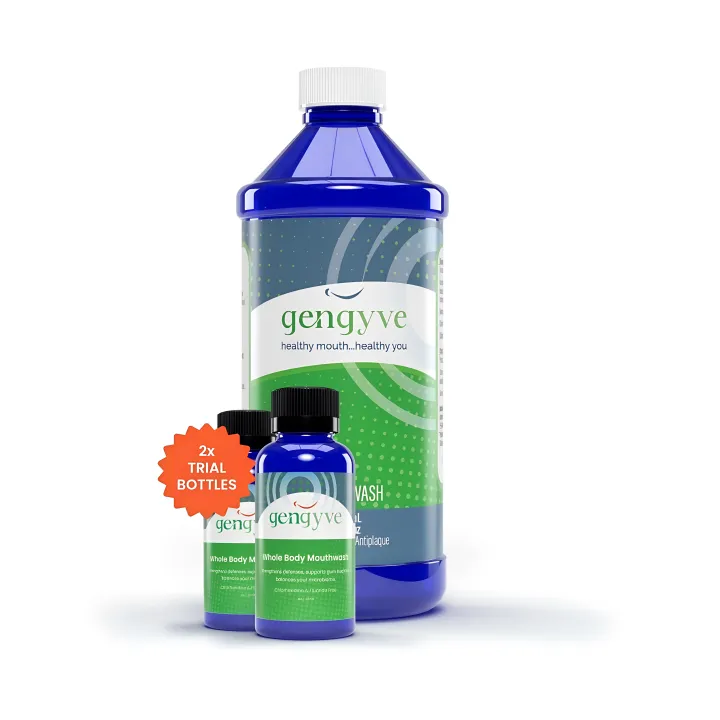
This is where Gengyve fits into a daily routine. Developed by Dr. S. Thaddeus Connelly, a practicing oral and maxillofacial surgeon and UCSF clinical professor, the rinse is formulated without alcohol, fluoride, or chlorhexidine. It combines cetylpyridinium chloride (CPC) for antibacterial support with hyaluronic acid, which is intended to hydrate and soothe tender gum tissue rather than sting it.

A few practical notes:
- Used twice daily for 30 seconds after brushing, with no rinsing afterward
- Many users report improvements in gum sensitivity and bleeding within several weeks, with Gengyve suggesting its best results appear around 8 weeks of consistent use
- Designed as a gentle daily rinse that complements a dental-recommended routine, not a replacement for one
That last point matters. If your gums bleed or you notice recession, the right next step is a dental visit, not a different bottle on the bathroom counter.
Treat gum disease and attend dental visits
Regular exams allow a dentist to measure pocket depth, check for bleeding, and catch gum disease before it progresses. How often you need checkups depends on your individual risk factors; there's no single interval that fits everyone.
If you already have bleeding or inflamed gums, don't wait for your next scheduled cleaning.
Reduce avoidable risk factors
A few changes lower your overall risk meaningfully:
- Quitting smoking: the CDC notes smokers face roughly double the risk of gum disease compared to nonsmokers, according to the CDC's smoking data
- Managing diabetes with your physician, since elevated blood sugar slows healing and worsens gum disease
- Removing oral piercings that rub against gum tissue
- Having orthodontic appliances checked if they're causing friction
Tell your dentist about dry mouth from medication, recent oral surgery, or ongoing sensitivity. These details shape what treatment actually makes sense.
Know when mouthwash should be changed or stopped
Stop using any rinse that causes ongoing burning, swelling, peeling, or severe dryness, and talk to your dentist about alternatives. A little initial flavor adjustment is normal; persistent irritation is not.
Switching products addresses comfort, but it doesn't investigate whatever underlying gum issue might exist.
Tips for Long-Term Prevention and Control
Staying ahead of gum recession takes consistency, not perfection:
- Track changes over time : note bleeding, sensitivity, dryness, or product reactions, and bring them up at appointments
- Stick to your routine : use mouthwash as directed; rinsing more often won't reverse recession and may increase irritation
- Keep a simple log : products used, symptoms noticed, medications, and tobacco use help your dentist spot patterns
- Ask about next steps : a periodontist can advise whether scaling, restorative care, or gum grafting fits your specific situation, since treatment depends entirely on cause and severity
Dated photos of your gumline can supplement what you remember, but they're no substitute for clinical measurements taken with a periodontal probe.
Conclusion
Receding gums have identifiable causes, and mouthwash usually isn't one of them. Plaque-driven gum disease, rough brushing, anatomy, and habits like smoking play a far bigger role.
Prevention means gentle daily cleaning, choosing a rinse you tolerate well, treating gum disease early, and showing up for dental visits. A product like Gengyve can support that routine with a gentler, alcohol-free formula, but it works alongside dental care, not instead of it.
If your gumline is changing, your gums bleed regularly, or a tooth feels loose, book a dental exam. A new mouthwash might solve the burning. It won't solve recession.
Frequently Asked Questions
Can mouthwash make receding gums worse?
Mouthwash rarely causes recession directly, but a formula that's too harsh for your mouth can add dryness or irritation on top of existing discomfort. If a rinse bothers you consistently, stop using it and ask your dentist for guidance.
What is the biggest cause of receding gums?
Gum disease, driven by plaque buildup along the gumline, is the leading cause of recession. Aggressive brushing, anatomy, orthodontic movement, and tobacco use also contribute in many cases.
Can receding gums grow back?
Generally, no. Gum tissue that has receded doesn't regrow naturally. Treating the underlying cause can stop further loss, and procedures like gum grafting may be an option worth discussing with a periodontist.
What are the first signs of receding gums?
Early signs include teeth that look longer, exposed root surfaces, new sensitivity to cold or sweets, and an uneven gumline. Any of these warrants a dental exam for confirmation.
Should I stop using mouthwash if it burns?
Follow the label first, since mild adjustment is normal. But persistent or severe burning means you should stop and ask your dentist about a gentler, better-tolerated alternative.
Can mouthwash replace brushing and flossing for gum health?
No. Mouthwash supplements mechanical plaque removal; it doesn't replace brushing or interdental cleaning. Think of it as one part of a routine that also needs regular dental checkups.