Walk down any oral-care aisle and you'll see anticavity rinses sitting next to whitening formulas, antiseptic gum rinses, and "natural" alcohol-free options. The one that burns the most or tastes the best isn't automatically doing more for your enamel.
This guide compares widely available US fluoride mouthwashes by their anticavity purpose, label transparency, tolerability, and age guidance. Formulas change, so always check the current bottle before buying.
Key Takeaways
- Fluoride is the deciding factor for cavity prevention; verify the active ingredient on the label.
- Mouthwash supports but never replaces brushing, flossing, and routine dental checkups.
- Alcohol-free doesn't automatically mean anticavity; check both separately.
- Ask a dentist before choosing a rinse for kids, braces, or recurring cavities.
- The best mouthwash fits your needs; there is no single universal winner.
Overview of Fluoride Mouthwash in the US Oral-Care Market
A fluoride mouthwash is a therapeutic rinse designed to deliver fluoride directly onto tooth surfaces. Fluoride strengthens enamel and helps remineralize areas where minerals have started to break down.



Here's the catch: it can't fix a cavity that's already formed. Once enamel has broken down into an actual hole, the damage is permanent and needs restorative dental work, such as a filling. According to NIDCR research on tooth decay, early mineral loss can reverse itself with the right support, but a cavitated lesion cannot.

Cosmetic vs. Therapeutic Rinses
Not every mouthwash on the shelf is built for cavity prevention. The American Dental Association draws a clear line between rinses that temporarily freshen breath and ones that deliver a genuine therapeutic benefit, according to ADA's mouthrinse guidance. Whitening claims, antiseptic ingredients, or a "natural" label don't establish anticavity function on their own. Fluoride does.
Who Benefits Most
Added fluoride support tends to matter more for certain people:
- Those with a history of frequent cavities
- Orthodontic patients (braces trap plaque in hard-to-reach spots)
- People with dry mouth or reduced saliva flow
- Anyone with exposed tooth roots from gum recession
Individual recommendations still vary, so these are starting points, not prescriptions. Here's how the leading US anticavity rinses compare.
Top Fluoride Mouthwashes for Cavities
This comparison covers widely available US products marketed for anticavity use. Rankings here are based on verified fluoride content, formula transparency, tolerability, and fit for different users, not brand recognition. Always double-check current labeling before you buy, since formulas and sizes change.
ACT Restoring Anticavity Fluoride Mouthwash
ACT's Restoring line comes in two sizes with genuinely different formulas, which trips up a lot of shoppers. The 18-oz bottle contains 0.05% sodium fluoride for once-daily use, while the 33.8-oz bottle drops to 0.02% sodium fluoride for twice-daily use. Both are labeled for ages 6 and up.
Alcohol content also varies by flavor: Mint Burst is alcohol-free, while Cool Mint contains 11% alcohol. If you want a straightforward rinse without the burn, Mint Burst is the one to grab.
Comparison snapshot:
- Cavity function: fluoride concentration and frequency depend on bottle size
- Best for: adults and kids 6+ who want flexible once- or twice-daily options
- Watch for: mixing up the two sizes' directions, or picking the alcohol-containing flavor by mistake
LISTERINE TOTAL CARE Anticavity Mouthwash
Listerine's TOTAL CARE lineup splits into two distinct products. The Intense version contains 0.02% sodium fluoride, carries 21.6% alcohol, and is labeled for ages 12 and up. The Alcohol-Free Mild version uses the same 0.02% sodium fluoride but skips the alcohol entirely. It is approved for ages 6 and up.
Both TOTAL CARE and TOTAL CARE Mild Alcohol-Free have earned ADA Seal acceptance specifically for decay prevention—one of the few products on this list with that confirmed independent review. A strong burn from the Intense formula isn't a sign of extra cavity protection; it's just the alcohol.
Comparison snapshot:
- Cavity function: ADA Seal-accepted in both variants
- Best for: adults wanting a familiar brand with verified decay-prevention backing
- Watch for: age restriction jumps from 6+ to 12+ depending on which version you grab
Crest Pro-Health Advanced Maximum Cavity Protection
This Crest rinse uses 0.02% sodium fluoride in an alcohol-free, Mild Mint formula, labeled for twice-daily use starting at age 6. It's positioned as a multi-benefit rinse, pairing cavity protection with plaque and gum-focused claims.
That multi-benefit positioning helps if you want one bottle to cover more ground. Still, separate the cavity claim from the plaque and gum claims when you evaluate the product.
This exact Crest formula hasn't been confirmed in the ADA's Seal reference guide. That does not mean it fails any standard; it only means independent verification wasn't located for this specific variant.
Comparison snapshot:
- Cavity function: 0.02% sodium fluoride, twice daily, alcohol-free
- Best for: people who want cavity protection bundled with plaque and freshness benefits
- Watch for: taste intensity reports and unconfirmed ADA Seal status for this specific product
Colgate Phos-Flur Ortho Defense Rinse
A confirmed "Colgate Enamel Health" fluoride rinse wasn't verifiable as a current US product at the time of research, so Phos-Flur Ortho Defense is the better-documented current alternative.
It uses 0.04% sodium fluoride, a higher concentration aimed at once-daily use. The formula is alcohol-free, with Mint and Gushing Grape options for ages 6 and up.
Colgate markets this specifically toward orthodontic patients, and it carries ADA Seal acceptance. If you're managing braces and struggling to clean around brackets, this is a reasonable option to bring up with your dentist.
Comparison snapshot:
- Cavity function: 0.04% sodium fluoride, ADA Seal-accepted
- Best for: orthodontic patients and anyone needing a once-daily higher-fluoride rinse
- Watch for: confirm current Colgate product naming before purchase, since lineups shift
TheraBreath Healthy Smile Anticavity Oral Rinse
TheraBreath's anticavity rinse comes in a couple of formulations. The 16-oz and 3-oz sizes list 0.05% sodium fluoride for once-daily use, while a separate 1-liter version uses 0.02% sodium fluoride for twice-daily use.
All are alcohol-free with a Sparkle Mint flavor. Current product pages list directions starting at age 18, not a family-wide age.
If you have a sensitive mouth or dislike intense mint burn, this is a gentler-tasting option. Just know that some TheraBreath anticavity sizes have shown as sold out directly from the manufacturer, so check stock before counting on it.

Comparison snapshot:
- Cavity function: fluoride concentration differs by bottle size
- Best for: adults wanting a milder-tasting, alcohol-free rinse
- Watch for: 18+ label directions and inconsistent stock availability
How We Chose the Best Fluoride Mouthwash
Our evaluation process started with the label, not the marketing copy. For each product, we verified the active fluoride ingredient, concentration, and the exact anticavity claim printed on current packaging.
Evidence quality mattered as much as the ingredient list. We checked whether a product carries ADA Seal acceptance or comparable independent review before treating it as clinically supported. ADA fluoride rinse requirements call for active fluoride within plus or minus 10% of the labeled concentration, plus testing for pH, safety, and stability.
Tolerability and Fit
We compared:
- Alcohol content (and whether it's disclosed clearly)
- Flavor intensity and reported sensitivity issues
- Dry-mouth suitability, using factors from CDC fluoride recommendations such as low saliva flow and orthodontic appliances
- Age directions, since these range from 6+ to 18+ depending on the brand
Instructions and Routine Compatibility
Standard directions call for about 10 mL swished for one minute, then spit (do not swallow). Avoid food or drink for 30 minutes afterward. Always follow the bottle instructions, since frequency (once versus twice daily) varies by formula.

Common mistakes to avoid:
- Choosing a rinse by how much it burns rather than its fluoride content
- Using a cosmetic, non-fluoride rinse expecting cavity protection
- Letting young children use fluoride rinse before they can reliably spit
- Combining multiple fluoride products without dentist guidance
- Treating mouthwash as a stand-in for brushing or flossing
Conclusion
The best fluoride mouthwash for cavities is the one with a verified anticavity fluoride label that you'll actually tolerate and use every day. Pair it with brushing and interdental cleaning as part of a complete routine.
Before choosing a stronger rinse, or if you're deciding for a child, during pregnancy, with braces, dry mouth, or recurring cavities, talk to your dentist first. Pain, swelling, or a visible hole in a tooth needs professional evaluation, not just a different bottle off the shelf.
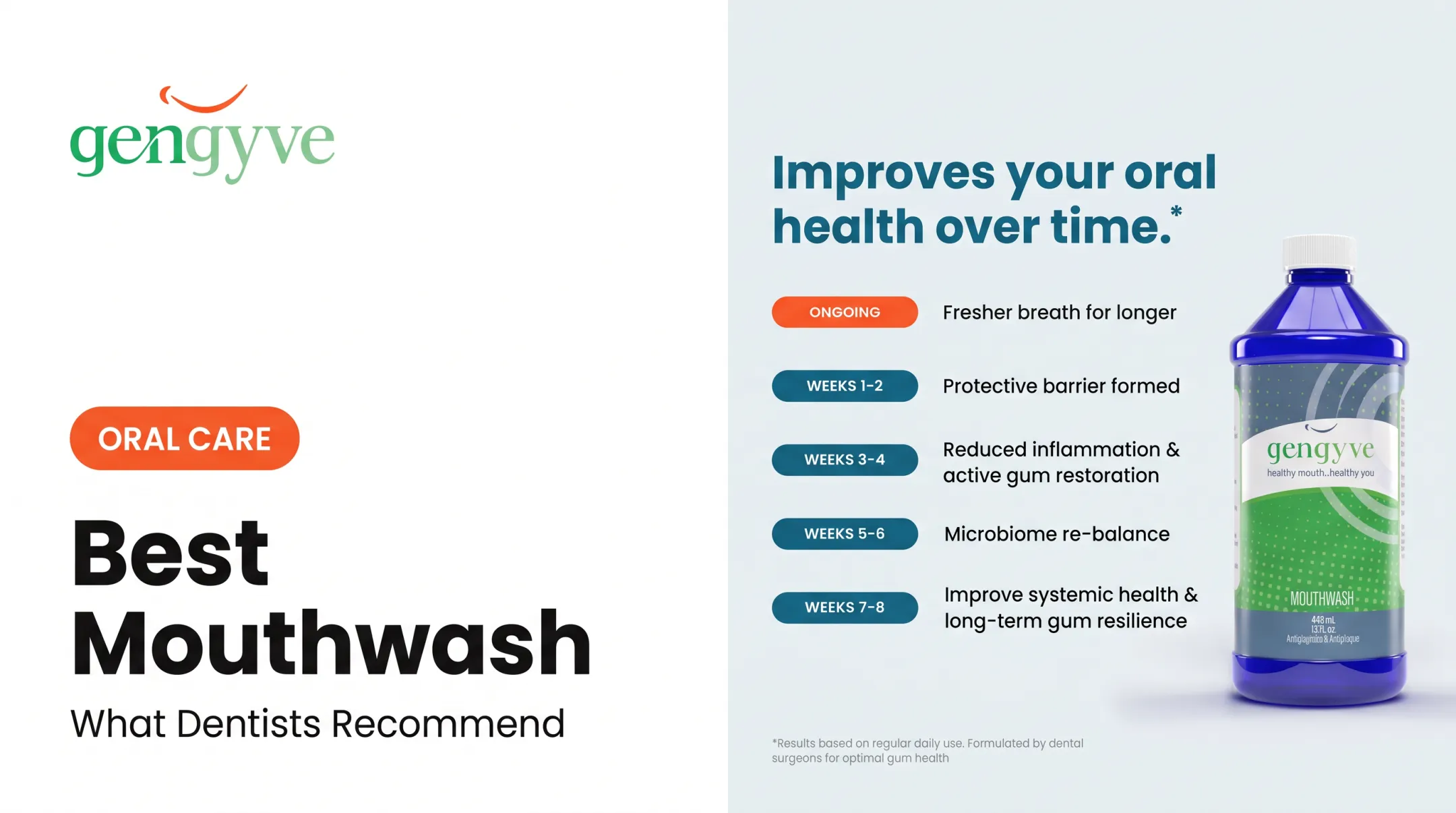
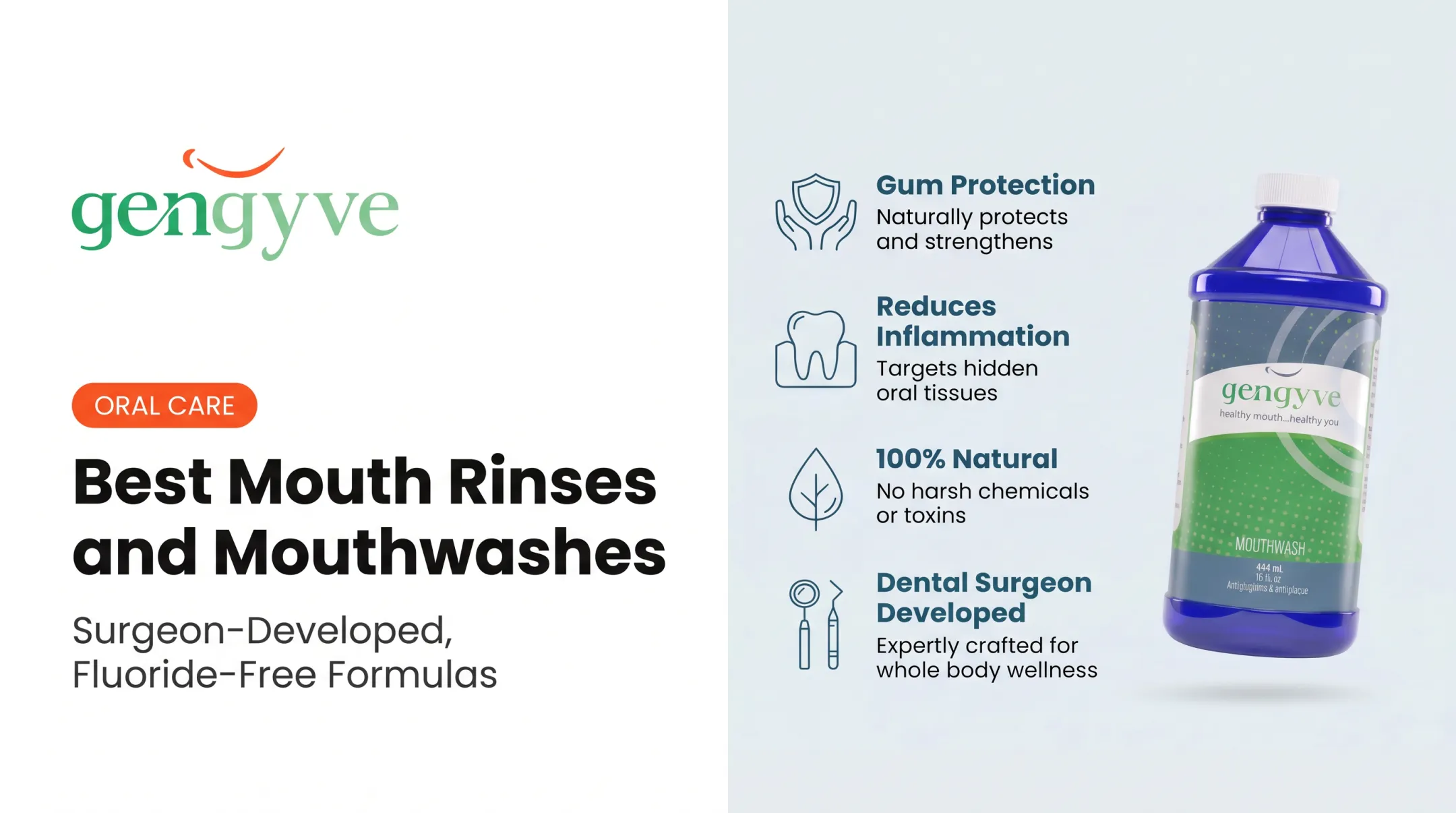
If your main concern is broader gum comfort rather than fluoride-specific cavity protection, the two goals aren't interchangeable. For a natural, alcohol-free, chlorhexidine-free rinse aimed at everyday gum support, consider Gengyve USA, developed by a practicing oral and maxillofacial surgeon. Just confirm it fits your actual need first; it's not a fluoride anticavity product and shouldn't be treated as a substitute for one.
Frequently Asked Questions
Can mouthwash treat cavities?
Fluoride mouthwash can support enamel and help remineralize early mineral loss, but it can't remove or restore an established cavity. Pain, sensitivity, or visible damage needs dental evaluation, not just a rinse change.
Is mouthwash enough to prevent cavities?
No. Mouthwash is an adjunct to fluoride toothpaste, twice-daily brushing, interdental cleaning, and regular dental visits. Rinsing alone can't remove the plaque that brushing and flossing physically clear away.
What is the best mouthwash for cavities?
It depends on your age, cavity risk, alcohol tolerance, dry-mouth status, and whether you have braces. Match the fluoride concentration and directions to your situation rather than assuming one product works for everyone.
Is there any mouthwash that is safe to swallow?
Standard fluoride mouthwash shouldn't be swallowed. Children should only use it once they can reliably spit, and only under adult supervision. Anyone who swallows a significant amount should contact Poison Control at 1-800-222-1222.
What is the best tasting mouthwash?
Taste is subjective and depends on flavor intensity, alcohol content, and personal sensitivity. Pick a fluoride rinse you can tolerate consistently; a pleasant taste doesn't mean better cavity protection.