Here's the short answer: it depends on exposure, not just illness.
A toothbrush replacement is a smart, low-cost precaution. It's not a guarantee against reinfection, and it's never a substitute for handwashing, surface cleaning, safe food handling, and following your doctor's advice. This article breaks down exactly when to replace a manual brush or electric head, what to do right after vomiting, how timing shifts by illness type, and which toothbrush habits to avoid altogether.
Key Takeaways
- Replace a toothbrush immediately if vomit or stool touches it directly
- Swap brushes stored near contaminated surfaces as a reasonable precaution
- Follow the standard 3-4 month schedule, sooner for frayed or flattened bristles
- Store brushes upright, uncovered, and never touching another person's brush
- Toothbrush replacement supports hygiene but doesn't replace handwashing or medical care
Why Timing Matters for Changing Your Toothbrush
When you're sick, your toothbrush picks up more than usual. Saliva, vomit particles, and extra moisture cling to the bristles and handle. A damp, enclosed bathroom often makes it harder for the brush to dry between uses, which gives bacteria more opportunity to stick around.
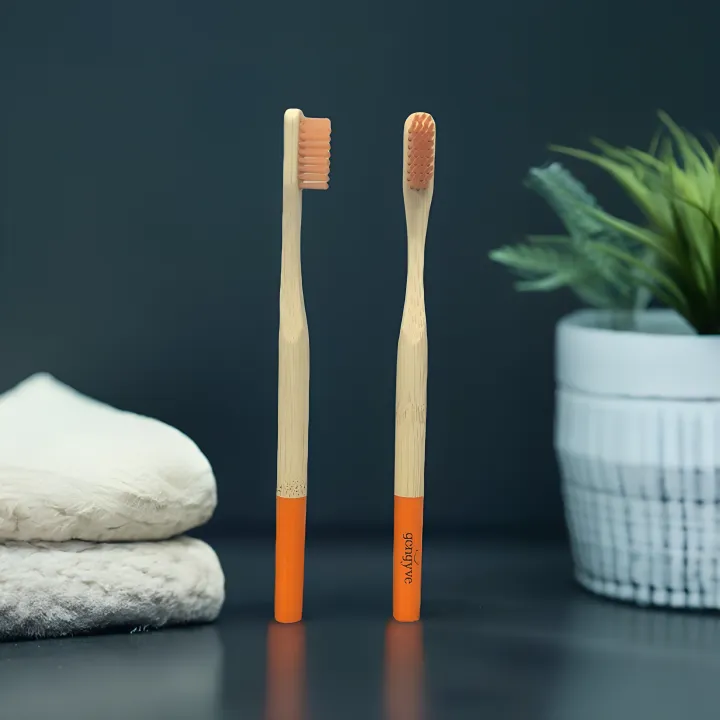


That said, contamination and actual reinfection risk are two different things. The American Dental Association notes that toothbrushes can harbor bacteria from handling or nearby toilet flushing. Per ADA toothbrush guidance, there's no evidence this causes adverse health effects in typical use.
What Delaying Replacement Actually Costs You
Skipping replacement on a worn or contaminated brush doesn't just raise theoretical risk. It creates practical problems:
- Unpleasant odor from trapped debris and bacteria buildup
- Weaker cleaning performance as bristles flatten or fray
- Possible transfer to toothbrush holders, cups, and nearby items
- Gum irritation from bristles that have lost their shape
A Toothbrush Can't Treat Your Illness
Changing your toothbrush won't cure gastroenteritis, influenza, COVID-19, strep throat, or dehydration. It's a hygiene step, not a treatment. If symptoms are severe or dragging on, that calls for a clinician, not a new brush.
Best Time to Change Your Toothbrush Based on the Situation
There's no single rule that fits every illness. The right call depends on what the brush was exposed to, its current condition, and whether you've returned to your normal routine.
Based on Stomach Illness, Vomiting, or Diarrhea
If vomit reached your toothbrush, or it was stored somewhere contaminated during a stomach bug, throw it out and grab a new one right away. If it wasn't directly exposed, replacing it after you've recovered is a reasonable, cautious step, not an emergency.
For gastrointestinal illnesses like norovirus, hand hygiene and surface cleaning do the heavy lifting. CDC's norovirus guidance recommends:
- Wash hands with soap and water for at least 20 seconds
- Clean contaminated surfaces with an EPA-registered disinfectant
- Wash soiled laundry on hot, high-heat cycles
Bleach and household disinfectants belong on counters and surfaces, never on your toothbrush. Keep bristles away from cleaning chemicals entirely.
Based on a Cold, Flu, COVID-19, or Other Respiratory Illness
Once symptoms clearly improve, or once your brush hits its routine replacement window, swapping it is a reasonable precaution. Public-health guidance does not currently mandate replacement to prevent respiratory reinfection. Treat this as a comfort-and-caution choice rather than a strict rule.
Based on Strep Throat, Oral Infection, or Antibiotic Treatment
This is an area where the evidence is thinner than many articles suggest. A clinical study following 114 strep throat patients and their families found no measurable difference in recurrence rates between those who changed toothbrushes and those who didn't. If your dentist or doctor gives specific instructions after an oral infection, follow those over generic advice found online.
Based on Brush Condition and Routine Wear
Regardless of illness, bristle condition sets the baseline. Replace your brush:
- Every 3-4 months as routine practice
- Sooner if bristles are frayed, flattened, or splayed outward
- Sooner if it looks dirty, discolored, or smells off
An electric brush head follows the same logic as a manual brush. Replace the head itself when it's worn or contaminated, and clean the handle and attachment area according to the manufacturer's instructions.

Signs It's Time to Change—and When to Avoid Reusing the Brush
Use this checklist to decide quickly:
- Direct contamination - vomit, stool, or blood touched the bristles or handle
- Contact with contaminated surfaces - it fell in a sink or onto a counter during illness
- Visible mold or persistent odor - rinsing doesn't clear it
- Damaged bristles - frayed, flattened, or splayed
- Damp storage - kept somewhere perpetually moist
- Accidental contact - touched another household member's brush
For inexpensive manual brushes, disposable flossers, and plastic tongue cleaners, replacement is almost always cheaper and easier than attempting to clean something exposed to vomit or harsh chemicals. Don't overthink it. When in doubt, replace it.
Skip the Microwave, Dishwasher, and Boiling Water
It's tempting to think heat equals sterilization, but toothbrushes aren't built for it. Oral-B's care instructions specifically warn against boiling brush heads, since high temperatures can permanently damage internal components. Microwaves and dishwashers carry the same risk of warping plastic or ruining bristles. Unless a manufacturer explicitly says a method is safe, skip it.

When Toothbrush Replacement Isn't the Answer
Some situations need medical attention, not a new brush:
- Persistent vomiting or diarrhea lasting more than a day or two
- Signs of dehydration, like dizziness or reduced urination
- Blood in vomit or stool
- Severe abdominal pain or high fever
- Difficulty breathing
- Immunocompromised status during or after illness
- Symptoms that are worsening instead of improving
And don't stop brushing altogether unless a clinician tells you to. Use a clean, soft-bristled brush gently, even when you're feeling rough. Pause or modify your routine only if oral surgery or a specific condition requires it.
Best Practices for Toothbrush Hygiene During and After Illness
Good habits during illness make the "should I replace it" question easier to answer later.
During-Illness Routine
- Rinse the brush thoroughly after every use
- Remove visible debris from bristles by hand
- Store it upright, not capped or covered
- Let it air-dry fully between uses
- Avoid shared containers that trap moisture against multiple brushes
Keep Brushes Separated
Never share toothbrushes, even temporarily. If multiple brushes sit in one holder, make sure the heads don't touch. Store brushes away from the toilet and other contaminated bathroom surfaces where splash exposure is more likely.
Beyond the Brush Itself
Illness hygiene extends to more than bristles:
- Toothpaste tube openings and caps
- Toothbrush holders and cups
- Electric brush charging bases
- Tongue scrapers
- Water-flosser tips and reservoirs
- Dentures, retainers, and night guards
- Disposable flossers
Follow manufacturer instructions for cleaning any of these. Don't improvise with household disinfectants on items that go in your mouth unless the label specifically says it's safe for that use.
Where a Mouthwash Fits In
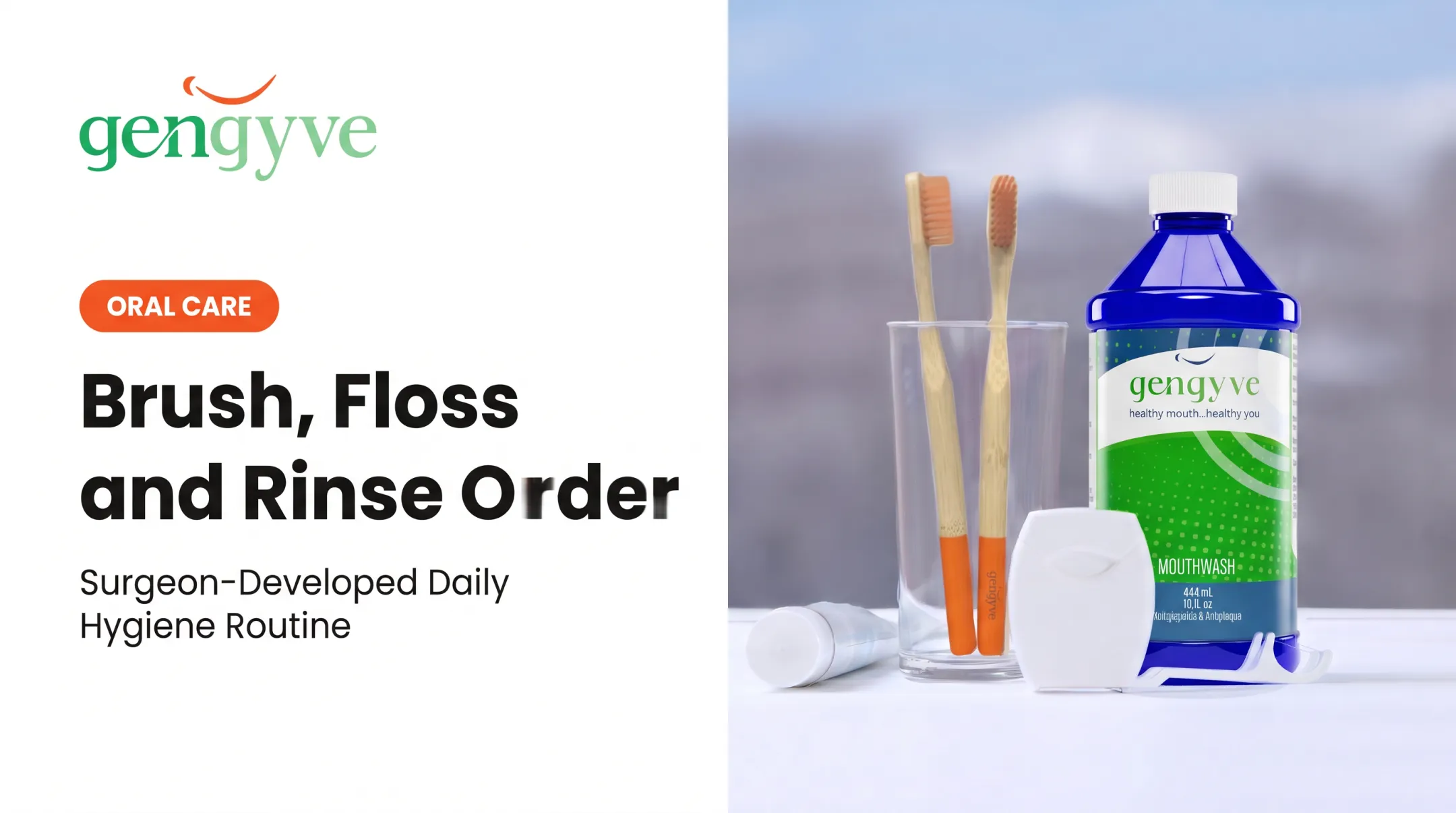
An alcohol-free mouthwash can support your daily brushing and flossing routine. Gengyve, developed by a practicing oral surgeon, is made for that everyday use.
Used as labeled, it supports routine oral care. It does not disinfect a contaminated toothbrush, kill a stomach virus, or replace discarding a brush that has been directly exposed to vomit.

A Short Prevention Checklist
Being prepared makes future illness less stressful:
- Keep one or two spare brushes on hand at home
- Label brushes if multiple household members share a holder
- Replace brushes on schedule, roughly every 3 months
- Pack a clean oral-care kit for travel or recovery periods
Conclusion
There's no universal clock that tells you exactly when to change your toothbrush after every illness. Direct contamination or visible damage calls for immediate replacement. An uncontaminated brush can be evaluated based on routine wear, current guidance, and your own comfort level.
Stomach-bug prevention mostly comes down to handwashing, cleaning contaminated surfaces, handling food safely, and staying home when public-health guidance recommends it. Your toothbrush is one small piece of that picture, not the whole solution.
Replace the brush if it touched vomit, can't dry properly, or shows worn bristles. For severe, persistent, or high-risk symptoms, call a healthcare professional rather than relying on toothbrush hygiene alone.
Frequently Asked Questions
How long can a virus stay on a toothbrush?
Survival time depends on the virus, bristle material, moisture, and temperature. No single verified timeframe covers every pathogen, so treat specific numbers you see online with caution.
Should I throw away my toothbrush after vomiting?
Yes, if vomit directly touched the bristles or handle. If it wasn't contaminated, replace it after you recover as a precaution. Clean the holder and keep up standard stomach-illness hygiene either way.
How often should I replace my toothbrush normally?
Every 3 to 4 months is the standard guidance, regardless of illness. Replace sooner if bristles look frayed, flattened, or discolored, since worn bristles clean less effectively.
Can I disinfect my toothbrush with bleach or hot water?
No. Bleach and other household disinfectants should never touch a toothbrush. Boiling, microwaving, or dishwashing can also warp plastic or damage bristles, so stick to rinsing and air-drying instead.
Does changing my toothbrush after strep throat prevent reinfection?
The evidence here is limited. A clinical study found no measurable difference in recurrence rates between families who changed toothbrushes after strep and those who didn't. Follow your doctor's specific guidance over generic replacement rules.
Is mouthwash enough to clean a contaminated toothbrush?
No. Mouthwash, including alcohol-free options like Gengyve, supports daily oral care but doesn't disinfect bristles or eliminate a stomach virus from a contaminated brush. A genuinely exposed brush needs replacement, not a rinse.