
Gum disease is common. According to CDC's NHANES survey, 42.2% of dentate US adults aged 30 and older have some form of periodontitis, and that number climbs to nearly 60% once you hit 65. The right mouthwash depends on your specific situation: your diagnosis, which active ingredients you can tolerate, and whether you need daily maintenance or a short course of something stronger.
This guide compares five options, explains how to choose, and flags when rinsing alone isn't enough. One thing worth saying upfront: no mouthwash dissolves hardened tartar or cleans out a deep periodontal pocket. That's a job for your dentist.
Key Takeaways
- Therapeutic rinses cut plaque bacteria and ease gum discomfort—only alongside brushing and flossing
- Prescription chlorhexidine is a short-term, dentist-directed tool, not a lifelong daily habit
- Judge mouthwash by active ingredients and evidence, not burn or "natural" labeling
- Gengyve's dental-surgeon-developed rinse fits gentle daily use; check the current label before buying
Overview of Mouthwash for Periodontal Disease in the US Oral-Care Market
Periodontal disease isn't one single condition. Gingivitis is the early, reversible stage: inflamed, bleeding gums without permanent damage. Periodontitis is what happens when that inflammation goes untreated long enough to break down the attachment between gum and tooth, eventually eating into the bone underneath.
Dentists stage periodontitis based on how much attachment loss has occurred:
- Stage I: 1–2 mm of attachment loss
- Stage II: 3–4 mm
- Stage III–IV: 5 mm or more, often with deeper pockets and bone loss visible on X-rays
Where does mouthwash fit in? A therapeutic rinse can reach bacteria hiding in places your toothbrush skips, like just below the gumline. What it cannot do is physically scrape off calculus (hardened plaque) or clean out a pocket that's 6 millimeters deep. That requires scaling and root planing, performed by a dental professional.
In the U.S., 42.2% of adults 30 and older have periodontitis, and 7.8% have the severe form. Among people who'd seen a dentist in the past six months, prevalence dropped to 30%, which shows how much regular checkups matter.

With that context, here's how to think about the products below. Compare them by:
- Intended use (daily maintenance vs. short-term treatment)
- Active ingredient and how it works
- Quality of supporting evidence
- Day-to-day tolerability
- Whether a dentist needs to be involved
Top 5 Mouthwashes for Periodontal Disease
These five were evaluated on relevance to gum health, ingredient transparency, evidence quality, comfort, and US availability. Some are built for everyday use. One is strictly a short-term, prescribed option.
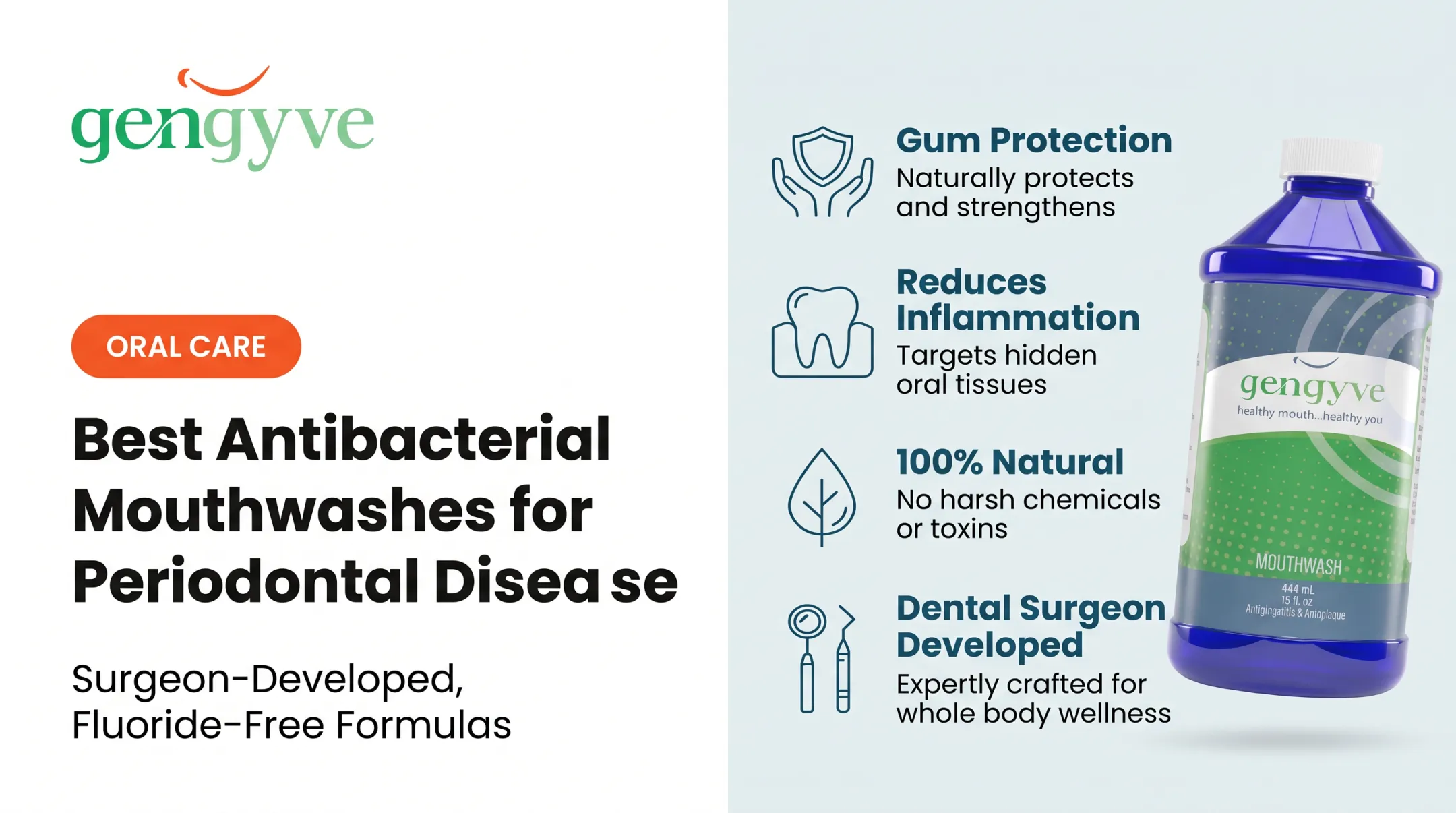
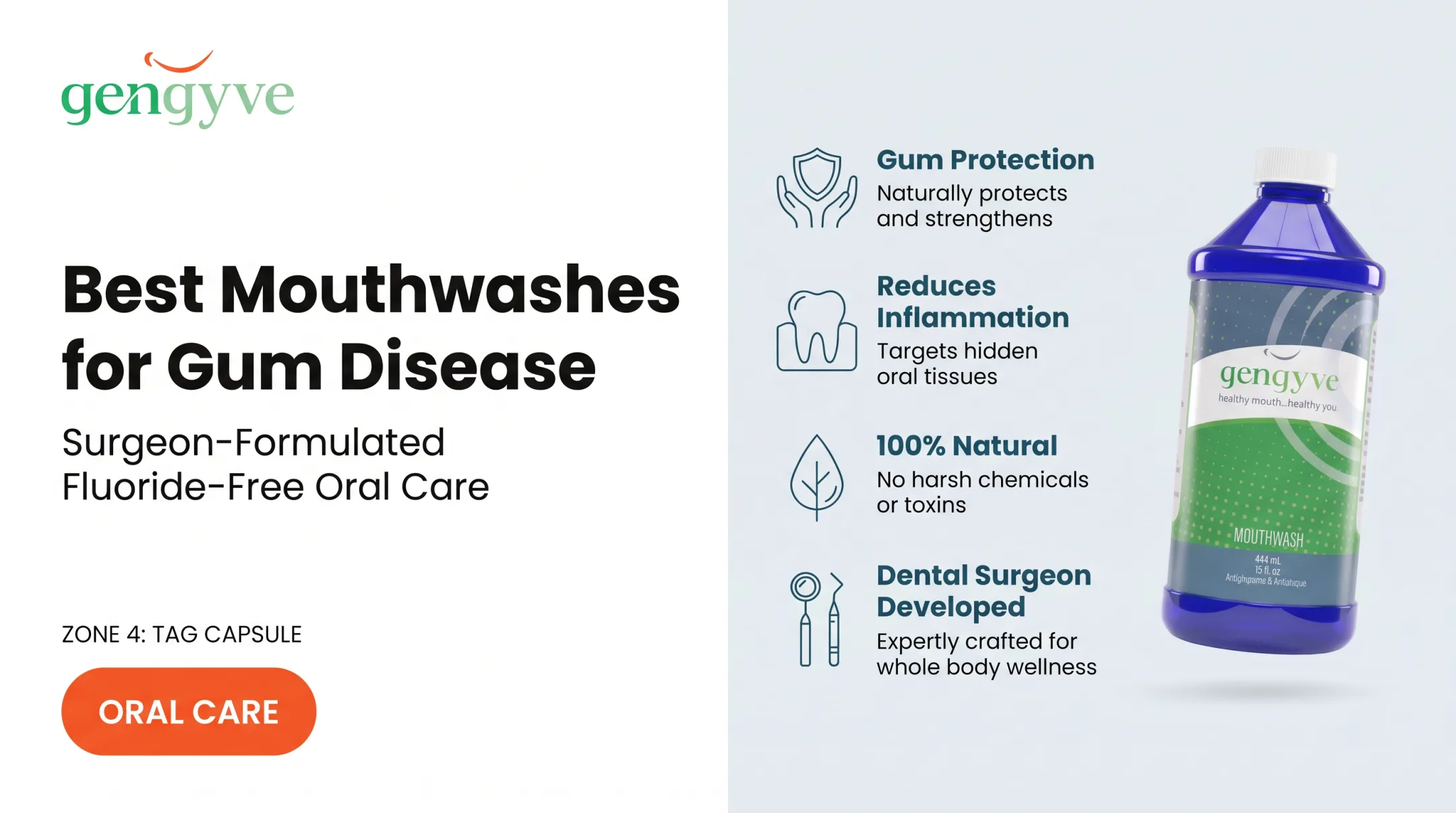
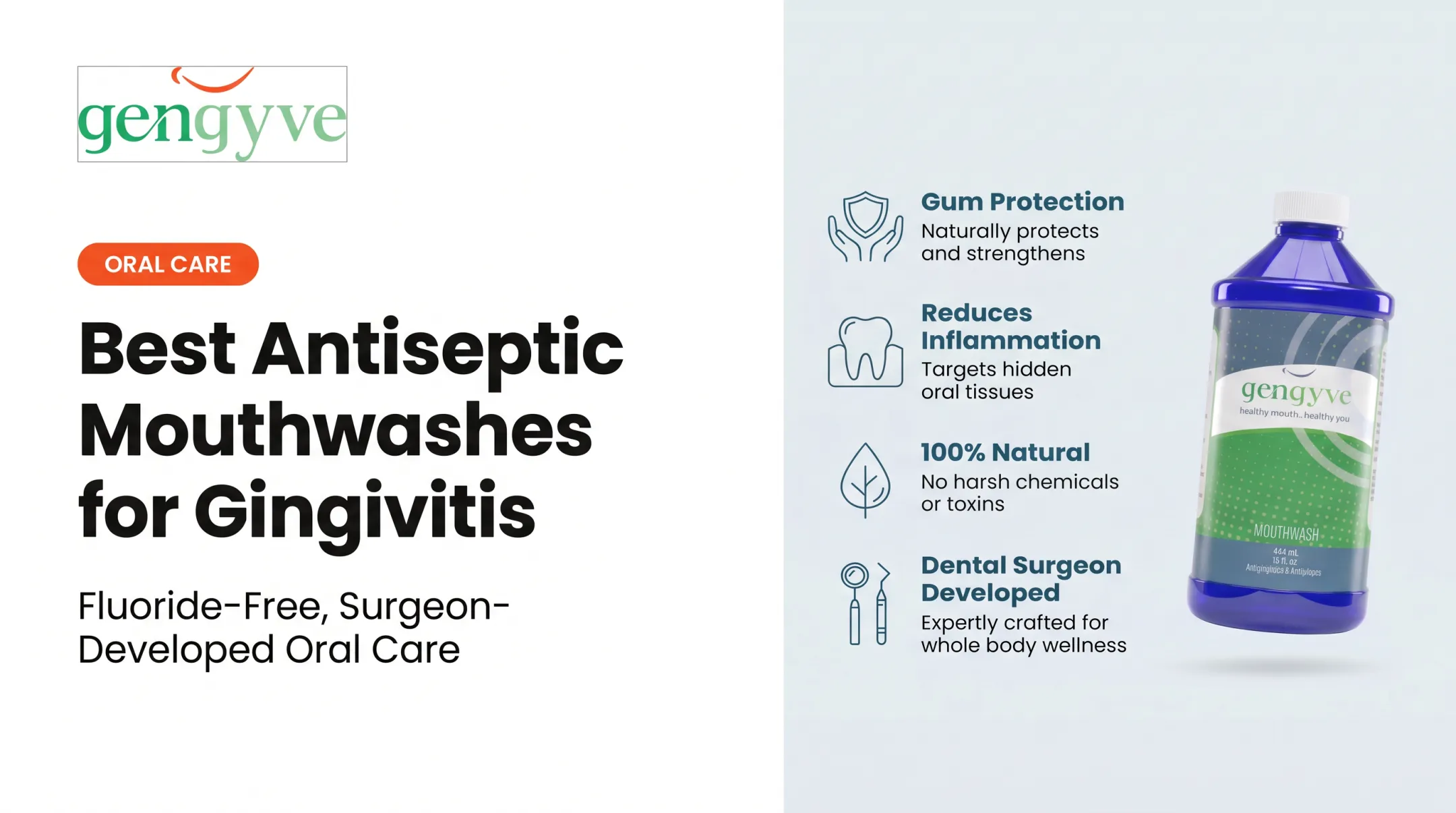
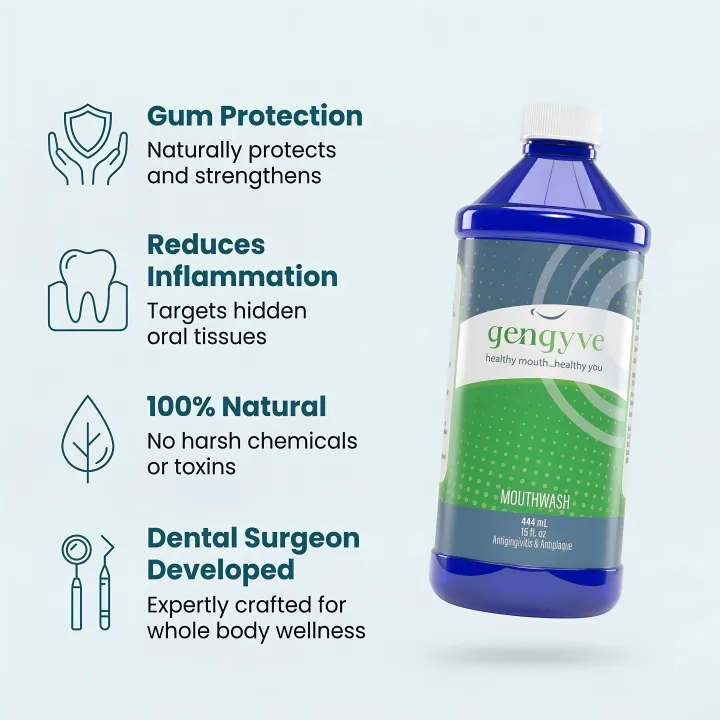
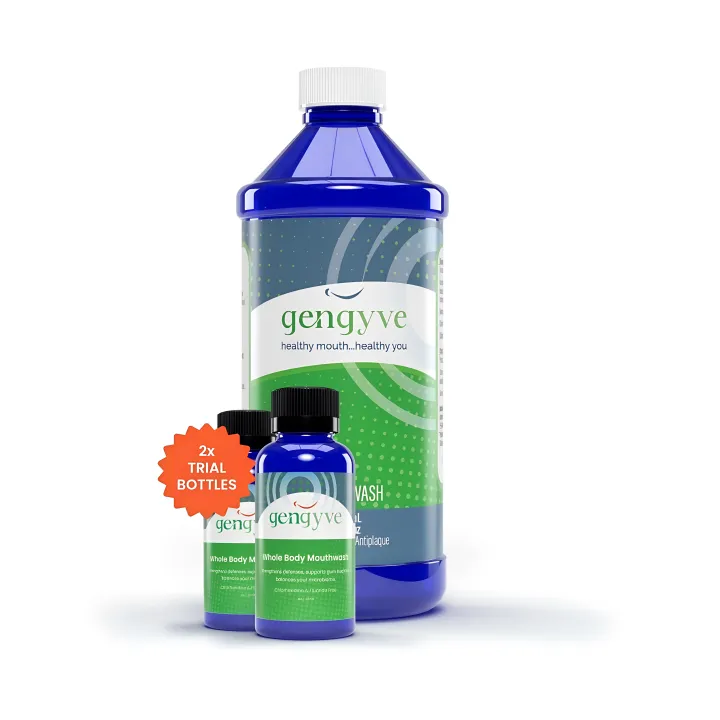
Gengyve Mouthwash
Gengyve is a fluoride-free, chlorhexidine-free rinse built around cetylpyridinium chloride (CPC) for antimicrobial action and hyaluronic acid for hydration and gum comfort. It also lists pullulan, PVP, and castor oil as supporting ingredients.
The formula was developed by Dr. S. Thaddeus Connelly, an oral and maxillofacial surgeon and UCSF clinical professor, alongside fellow practicing dental surgeons.
A 2020 randomized, double-blind trial published in the International Journal of Dental Hygiene compared a CPC-hyaluronic acid rinse, chlorhexidine, and placebo over 21 days in 75 dental students. Gingivitis differences between groups weren't statistically significant, but the CPC-hyaluronic acid group showed no notable increase in staining, unlike the chlorhexidine group.
That's a modest, short-duration study, not proof of long-term superiority for treating established periodontal disease.
Comparison at a glance:
- Intended use: daily maintenance, pre- and post-procedure support
- Actives: CPC, hyaluronic acid
- Alcohol/chlorhexidine: both absent
- Evidence: small RCT, cosmetic oral-care positioning rather than a disease-treatment claim
- Good fit for: sensitive tissue, post-surgical recovery periods
- See a dentist if: bleeding persists despite consistent use
TheraBreath Healthy Gums Oral Rinse
This one uses 0.05% CPC as its active antimicrobial, in an alcohol-free, fluoride-free formula. The current label doesn't list aloe or any oxygenating ingredient, despite what some reviews claim elsewhere online.
A 2025 peer-reviewed study found antibacterial and antibiofilm activity in lab conditions, which is promising but not the same as a human clinical trial measuring actual gingivitis outcomes.
Comparison at a glance:
- Actives: CPC 0.05%, no fluoride
- Alcohol-free, manufacturer claims no burning
- Evidence: in vitro only, no located human trial
- Best for: people wanting an OTC, non-burning option for mild gum irritation or bad breath
- Limitation: not studied for moderate-to-severe periodontitis
Crest Pro-Health Gum Restore Mouthwash
Crest's Gum Restore formula uses 0.07% CPC in an alcohol-free base, aimed at reducing plaque, gingivitis, and gum swelling and redness. Directions call for 20 mL swished for 30 seconds, twice daily.
One caveat: ADA Seal acceptance for this exact SKU wasn't confirmed in current records, so don't assume it carries the same certification as other Crest products. CPC-based rinses as a class can cause brown staining on teeth or restorations over time, per the ADA.
Comparison at a glance:
- Primary benefit: plaque and gingivitis control
- Active: CPC 0.07%
- Evidence type: manufacturer label claims; exact-product ADA status unverified
- Watch for: possible staining with regular CPC use
- Good fit for: routine daily use alongside brushing
Listerine Clinical Solutions Gum Health
This formulation leans on essential oils: eucalyptol (0.092%), menthol (0.042%), methyl salicylate (0.06%), and thymol (0.064%), plus alcohol as an inactive ingredient (percentage not disclosed on the current label).
What sets it apart is its ADA Seal of Acceptance for safety and efficacy in reducing gingivitis and above-gumline plaque. That is product-specific evidence, not only a marketing line.
The trade-off is intensity. Essential-oil rinses can feel harsh, especially if you have dry mouth, mouth ulcers, or already-inflamed tissue.
Comparison at a glance:
- Antimicrobial approach: essential oils
- Alcohol: present
- Evidence: ADA-accepted for gingivitis and plaque above the gumline
- Comfort note: may sting; stop and consult a dentist if irritation develops
- Not covered: periodontitis-specific efficacy
Prescription Chlorhexidine Rinse, Such as PerioGard
Chlorhexidine gluconate (0.12%) is prescription-only and intended for gingivitis management between dental visits, as part of a professional treatment plan. The FDA label states its effect on periodontitis specifically has not been determined.
Dosing is 15 mL undiluted, swished for 30 seconds, twice daily after brushing. Common side effects include tooth and tongue staining, increased calculus buildup, and altered taste.
A 2017 Cochrane review found meaningful plaque reduction, but the improvement in mild gingival inflammation wasn't considered clinically significant, and evidence for moderate-to-severe inflammation was insufficient.
Comparison at a glance:
- Prescription status: Rx only
- Duration: defined by your dentist, not indefinite
- Clinical use: short-term gingivitis control, often post-surgical
- Key side effects: staining, taste changes, calculus increase
- Not automatically "the strongest option" for everyone, especially those with mild symptoms

How We Chose the Best Mouthwashes
A few mistakes trip people up when shopping for a gum-health rinse:
- Assuming the one that burns the most must be working hardest
- Picking based on breath-freshening claims alone
- Treating "alcohol-free" as a synonym for "therapeutic"
- Reading a product ad and calling it clinical evidence
What We Looked At
We weighed active ingredients against their actual, documented roles:
- CPC and essential oils for antimicrobial plaque and gingivitis support
- Fluoride for decay risk or exposed roots, not as a periodontal treatment
- Chlorhexidine as a short-term, clinician-directed tool only
- Hydrogen peroxide, botanicals, and hyaluronic acid only where the current label and credible evidence actually back the claim
Sources included the ADA, FDA drug labels, the American Academy of Periodontology, and peer-reviewed trials, distinguishing lab findings from real patient outcomes wherever the data allowed it.

Practical Factors Worth Considering
Before you commit to a bottle, think through:
- Alcohol content and its drying effect on tissue
- Burning sensation or sensitivity with certain actives
- Dry mouth, ulcers, or taste tolerance issues
- Allergies, pregnancy, or other medical conditions
- Compatibility with implants or recent oral surgery
When to See a Dentist Instead
No rinse should be your only plan if you're experiencing:
- Bleeding that persists despite consistent brushing and flossing
- Pus, severe swelling, or pain around a tooth
- Loose teeth or noticeable gum recession
- Deep pockets your dentist has already flagged
- Fever or facial swelling
These are AAP-recognized warning signs that call for evaluation, and possibly scaling and root planing, not another trip down the mouthwash aisle.
Conclusion
There's no single "best" mouthwash for periodontal disease. The right one matches your diagnosis, uses an ingredient backed by real evidence, and is something you can actually tolerate using twice a day, every day.
A rinse supports brushing, interdental cleaning, and professional care. It doesn't replace scaling, root planing, or periodontal monitoring, and it won't fix bone loss or a loose tooth.
If symptoms persist, or if you're considering a prescription rinse, talk to your dentist first. If you want a gentle, alcohol-free and chlorhexidine-free option for daily use, Gengyve's dental-surgeon-developed mouthwash is worth reviewing. Check the current label and evidence before you buy.
Frequently Asked Questions
How can I fix my teeth with periodontal disease?
You need a dentist's diagnosis and a personalized plan: professional cleaning or scaling and root planing, daily plaque control, and risk-factor management such as quitting smoking. Mouthwash alone cannot rebuild lost bone or stabilize loose teeth.
What is the best toothpaste and mouthwash for people with gum disease?
It depends on your symptoms, cavity risk, sensitivity, and your dentist's advice. A fluoride toothpaste paired with a therapeutic, well-tolerated rinse usually beats chasing one "universal best" product.
What is the best mouthwash for people with severe periodontal disease?
Severe disease requires a professional periodontal evaluation first. Your dentist may prescribe chlorhexidine or another short-term treatment; any OTC rinse is supportive care, not primary treatment.
Is mouthwash enough to treat periodontal disease?
No. Mouthwash can reduce certain bacteria and support daily hygiene, but it can't remove hardened tartar or clean deep pockets. See a dentist if you notice bleeding, recession, pus, pain, or loose teeth.
Is alcohol-free mouthwash better for gum disease?
Alcohol-free formulas tend to be more comfortable for dry mouth or irritated tissue, but comfort isn't the same as effectiveness. What actually matters is the active ingredient and the evidence behind it.