Choosing the right mouthwash isn't just about picking your favorite flavor. The active ingredient can make a significant difference depending on your specific needs, whether you're concerned about cavities, plaque, bleeding gums, bad breath, or sensitivity. Understanding the distinction helps you find a product that truly supports your oral hygiene goals.
Ultimately, CPC and sodium fluoride aren't direct competitors. The best choice for you depends entirely on your primary concern, the product's complete formulation, and your dentist's recommendation. This guide will break down what each ingredient does so you can make an informed decision.
Key Takeaways
- CPC is primarily an antimicrobial agent used to help control plaque, gingivitis, and odor-causing bacteria.
- Sodium fluoride is used to strengthen tooth enamel and help prevent cavities through remineralization.
- A mouthwash is a supplement, not a replacement, for brushing twice daily with fluoride toothpaste and flossing.
- Choose a CPC rinse for gum, plaque, or breath goals, and a sodium fluoride rinse for cavity or enamel protection.
- Always check the active ingredients, age guidance, and usage directions on the product label before buying.
CPC vs. Sodium Fluoride: Quick Comparison
Compare their core functions side-by-side to see which ingredient fits your goals.


Primary Purpose
Cetylpyridinium Chloride (CPC): This antimicrobial ingredient targets and reduces harmful bacteria in the mouth. That action helps control plaque buildup, reduce gum inflammation (gingivitis), and neutralize compounds that cause bad breath. It offers a therapeutic benefit beyond cosmetic freshening.
Sodium Fluoride: This is an anticaries (anti-cavity) agent. Its purpose is to deliver fluoride ions to your tooth enamel. This process helps remineralize areas that have been weakened by acid and makes the tooth surface more resistant to future decay.
Main Target
CPC: The primary targets for CPC are the bacteria that form plaque biofilm. By disrupting these bacteria, it helps reduce gingival inflammation and the volatile sulfur compounds responsible for bad breath.
Sodium Fluoride: The main target for sodium fluoride is the tooth structure itself. It works directly on the enamel to strengthen it and prevent demineralization, which is the first step toward a cavity.
Best-Fit User Goals
CPC: A CPC-based mouthwash is a great choice if your main goals are:
- Reducing plaque buildup
- Controlling mild gingivitis (bleeding or puffy gums)
- Managing persistent bad breath
- Finding an effective alcohol-free option
Sodium Fluoride: A sodium fluoride rinse fits if you:
- Have a history of frequent cavities
- Wear orthodontic appliances like braces
- Have been told you have weak enamel
- Suffer from dry mouth, which increases cavity risk
Potential Drawbacks or Precautions
CPC: With some formulations, a small number of users may experience side effects. These can include extrinsic tooth staining (on the surface), temporary changes in taste, or mild irritation.
These effects are not universal and depend heavily on the specific product formulation. For instance, a 2014 clinical study noted 13 staining complaints in the CPC group during a six-month trial.
Sodium Fluoride: The main precautions relate to age and swallowing. Products containing fluoride are generally not recommended for children under six unless directed by a dentist, due to the risk of swallowing. Ingesting excessive amounts of fluoride during tooth development can lead to fluorosis. Always follow the label's directions for dosage and frequency.

What Are CPC and Sodium Fluoride?
Both ingredients appear in everyday rinses, but they solve different problems in the mouth.
What is Cetylpyridinium Chloride?
Cetylpyridinium chloride (CPC) is a quaternary ammonium compound that acts as a broad-spectrum antimicrobial. Its positive charge binds to negatively charged bacterial cell membranes, causing them to rupture and die.
When used in a mouthwash, CPC helps reduce the overall bacterial load in your mouth. This has been shown to provide a small but significant benefit in reducing plaque and gingivitis when used in addition to regular brushing and flossing. For example, a 2021 systematic review found that adjunctive use of a CPC rinse led to measurable improvements in both plaque and gingival index scores compared to a placebo.
However, not all CPC rinses are created equal. The effectiveness depends on the concentration (often between 0.045% and 0.1%), the other ingredients in the formula, and how long the rinse stays in contact with your oral tissues.
Use Cases of CPC
CPC is particularly useful for adults who are focused on their gum health. If you notice bleeding gums, redness, or are concerned about plaque, an antimicrobial rinse can be a helpful addition to your routine. Dental practices often recommend CPC rinses for patients in periodontal maintenance programs to help control plaque between visits.
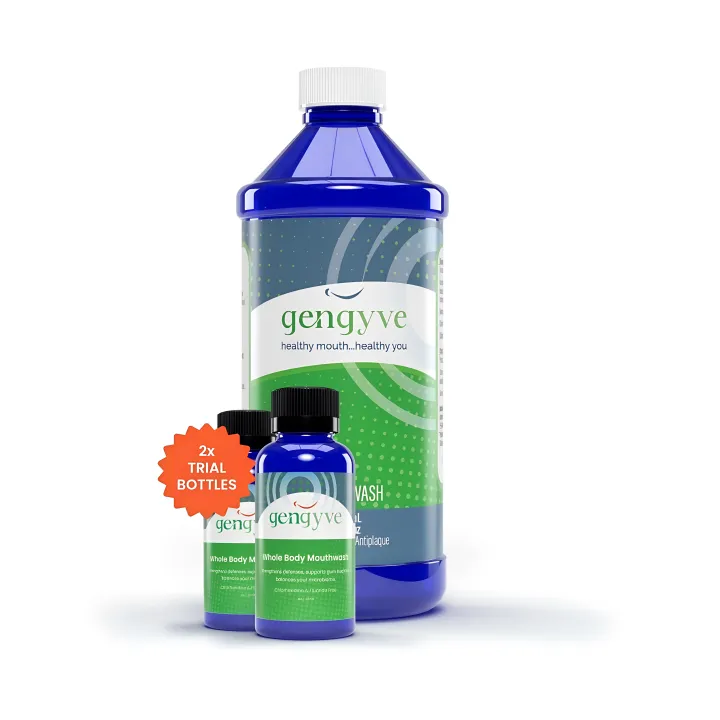
One formulation in this category is Gengyve's CPC plus Hyaluronic Acid Mouthwash, developed by a U.S. oral and maxillofacial surgeon. It uses 0.05% CPC with hyaluronic acid to help soothe and hydrate gum tissues. The rinse is alcohol-free and chlorhexidine-free, so it suits long-term daily use without the harshness or heavy staining linked to stronger antimicrobials.
What is Sodium Fluoride?
Sodium fluoride is a salt compound that serves as a source of fluoride ions, a mineral proven to fight tooth decay. When your teeth are exposed to acids from food and bacteria, they lose minerals in a process called demineralization. Fluoride helps reverse this damage by promoting remineralization, rebuilding the weakened enamel with a more acid-resistant mineral called fluorapatite.
A fluoride mouthwash is especially beneficial for people with an elevated risk of cavities. The CDC identifies several risk factors, including active decay, exposed tooth roots, reduced saliva flow (dry mouth), and wearing braces. A daily fluoride rinse can provide an extra layer of protection on top of brushing with fluoride toothpaste.
Fluoride products vary widely in strength:
- OTC fluoride rinse: About 0.05% sodium fluoride (roughly 230 ppm fluoride) for daily use
- Fluoride toothpaste: Usually 1,000–1,500 ppm fluoride
- Professional varnish: Applied in-office at up to 22,600 ppm fluoride for intensive treatment
Always follow age and safety guidelines. The FDA and American Academy of Pediatric Dentistry advise that fluoride rinses are for individuals six years and older who can reliably spit out the product. Swallowing mouthwash should always be avoided.
Use Cases of Sodium Fluoride
The primary use case for a sodium fluoride rinse is cavity prevention. Supervised use in school-based programs has shown significant success. A landmark Cochrane 2016 review, which analyzed 37 trials, found that fluoride mouthrinses led to a 27% average reduction in new decayed, missing, or filled tooth surfaces in children and adolescents.
Adults with braces, dry mouth from medications, or a history of recurrent decay can also benefit. While a rinse helps manage the risk, it's vital to see a dentist to address the underlying cause of these issues.

CPC vs. Sodium Fluoride: What Is Better?
There is no universal winner. The "better" mouthwash is the one that targets your specific oral health problem.
Choose a CPC-focused product if your main goal is:
- Plaque and Gingivitis Control: If you struggle with plaque buildup or your gums bleed easily, the antimicrobial action of CPC can help support your brushing and flossing efforts.
- Bad Breath Support: If mints and brushing don't seem to solve odor issues, a CPC rinse can help by reducing the bacteria that cause bad breath.
Persistent bleeding, swelling, or bad breath should always be evaluated by a dentist, as they can be signs of a more serious condition.
Choose a sodium fluoride product if your main goal is:
- Cavity Prevention: If you are prone to cavities or have risk factors like orthodontics or dry mouth, a fluoride rinse is the clear choice for strengthening enamel.
- Enamel Protection: If your dentist has noted weak spots or early demineralization, a fluoride rinse can help remineralize those areas.
Remember, fluoride toothpaste is the foundation of cavity prevention. A rinse is an extra tool, not a replacement.
When to Ask a Professional
Seek professional guidance before choosing a mouthwash if any of these apply:
- Recent oral surgery
- Active periodontal disease
- Oncology or radiation treatment
- Severe dry mouth (xerostomia)
- Product choice for a young child
- Known allergies or sensitivities
Your dentist or surgeon can recommend a product that is safe and effective for your clinical situation.
Real-World Examples and Case Studies
Clinical research helps illustrate the distinct benefits of each ingredient. Studies on CPC and sodium fluoride typically measure different outcomes because they are designed to do different things.
One randomized trial on a 0.07% CPC mouthwash found that after six months, users had:
- 17.1% lower gingivitis scores than the control group
- 13.9% lower plaque scores than the control group
That points to CPC’s strength in gum health and hygiene. The study measured plaque and gum health, not cavities.
In contrast, the large-scale evidence for sodium fluoride focuses squarely on caries. A Cochrane review confirmed a 27% reduction in caries increment in children, underscoring fluoride’s role in cavity prevention.
A clinical trial on the CPC and hyaluronic acid formulation in Gengyve offers a direct comparison. The 21-day study tested it against both a placebo and a chlorhexidine rinse in 75 dental students. Results included:
- Significantly less plaque accumulation than placebo
- No significant increase in tooth staining, unlike the chlorhexidine group
A surgeon-developed CPC-hyaluronic acid formula can deliver antimicrobial benefits while remaining gentle enough for daily use.

Conclusion
The choice between cetylpyridinium chloride and sodium fluoride is simple once you identify your primary goal. Match the active ingredient to that goal:
- CPC-based mouthwash for plaque control, gingivitis reduction, and fresher breath
- Sodium fluoride rinse for cavity prevention and stronger enamel
Neither ingredient can replace the cornerstones of good oral hygiene: brushing twice a day with fluoride toothpaste, cleaning between your teeth daily, and regular dental checkups.
Mouthwash is a targeted add-on, not a replacement for those basics. Read the label to see what the formula is built to do, and check with your dentist or hygienist before you lock in a routine.
Frequently Asked Questions
Is it okay to use fluoride mouthwash daily?
Yes, for many people, daily use is appropriate when following the product directions and a dentist's advice. It's typically for ages six and up, and it's essential to spit it out and not swallow.
Which mouthwash has the most cetylpyridinium chloride?
CPC concentration varies by product, commonly ranging from 0.045% to 0.1%. To compare, you must check the "Active Ingredients" panel on the back of the bottle, as there is no single "highest" concentration product.
What are the potential side effects of using cetylpyridinium chloride mouthwash?
Some formulations may cause temporary surface staining on teeth, taste alteration, or mild irritation. The risk depends on the specific formula, and many modern rinses are designed to minimize these effects.
What is the healthiest mouthwash you can use?
There is no single "healthiest" mouthwash for everyone. The best choice is one with evidence-backed ingredients that match your specific oral health needs, is well-tolerated, and fits the guidance from your dental professional.
Can you use CPC and fluoride mouthwash together?
Using both isn't typically necessary. Most people get sufficient fluoride from their toothpaste. If you have both gum concerns and high cavity risk, talk to your dentist about the best routine, which might be using a fluoride toothpaste and a CPC rinse at different times.
Is CPC or sodium fluoride better for cavities and gum health?
Sodium fluoride is the proven ingredient for preventing cavities. CPC is the proven ingredient for supporting gum health by reducing plaque and gingivitis. If you have concerns about both, your dentist can help you prioritize or build a comprehensive routine.