What matters is the direction. Normal irritation fades day by day. Worsening, recurring, or severe symptoms can point to plaque buildup, trapped cement, a crown-fit problem, gum disease, or trouble in the tooth underneath.
This guide covers what normal healing feels like, why gums stay inflamed, safe home care, and when to call your dentist.
Key Takeaways
- Mild gum soreness can be part of healing, but it should improve, not intensify.
- Persistent bleeding, swelling, food trapping, bad taste, or a loose crown needs a dental visit.
- Brush gently and clean carefully around the crown; aggressive flossing backfires.
- Pain that starts years after placement is not routine healing and needs its own diagnosis.
What Gum Inflammation After Crown Placement Is Normal?
Several steps in the crown process can irritate soft tissue: retracting the gum, taking impressions or scans, wearing a temporary crown, fitting the final crown, and cleaning up cement.


Symptoms that fit short-term healing include:
- Localized tenderness around the treated tooth
- Mild redness at the gumline
- Slight sensitivity while brushing
- Discomfort when you touch the gum
According to Cleveland Clinic, gum soreness around the treated tooth should resolve in a few days, while heat and cold sensitivity can last a couple of weeks. Your own timeline may vary with gum health, how deep the crown margin sits, and the type of procedure.

Watch the direction of symptoms
Day-by-day improvement is a good sign. Call your dentist if pain increases, swelling spreads, bleeding keeps returning, or symptoms stall.
Gum soreness versus tooth symptoms
Gum irritation feels superficial and tender to touch. The symptoms below point deeper, toward the nerve, a bad bite, decay, a crack, or infection:
- Hot or cold pain lingering more than 30 seconds
- Throbbing
- Sharp pain when biting
- Pain that feels deep beneath the crown
- Pain that keeps you awake
Why Gums Become Inflamed Around a Crown
Plaque and trapped food
A crown margin, tight neighboring contact, or altered contour can make cleaning harder. Bacteria and debris then sit against the gumline and irritate it.
Margin, contour, or excess cement
A peer-reviewed overview identifies retained cement and other debris under the tissue as a trigger for adverse gum responses. Other culprits include:
- Rough or bulky margins
- Overhangs
- Overcontoured crowns
- Margins that extend too far below the gumline
Any of these can create one stubborn, bleeding spot.
Fit and bite concerns
A crown that is too high, loose, or poorly contacting its neighbor usually causes chewing pain or pressure. It can still add to soreness in the surrounding tissue.
Existing or developing gum disease
Gingivitis, periodontal disease, dry mouth, tobacco use, and inconsistent hygiene make gums more reactive and slower to heal. The NIDCR lists smoking as a major periodontal risk factor. A crown does not make the tooth or gums immune to disease.
Late-onset problems
When trouble begins months or years later, think beyond healing. In a 1,037-crown retrospective cohort, researchers recorded loss of retention in 9.9% of crowns and recurrent decay in 8.6%. Fracture, gum recession, cement failure, bruxism, and infection also appear on the list. Bruxism was linked to higher failure risk.

What You Can Do at Home While Gums Heal
Clean gently, and keep cleaning
Skipping the area lets plaque win. Use a soft-bristled brush with light pressure for two minutes, twice a day.
For flossing, guide the floss along the sides of the teeth in a C shape and slide it gently below the gumline. Never snap it into inflamed tissue. Ask your dentist whether an interdental brush or water flosser suits you.
Adjust food choices
For a few days, skip foods that repeatedly pack around the crown, such as popcorn or seeds. If you have a temporary crown, follow your dentist's instructions, including avoiding sticky foods.
Rinse with care
Warm water with a pinch of salt may soothe sore gums and ease swelling, according to Cleveland Clinic guidance.
Avoid harsh products and never place medication directly on the gum. Rinsing does not replace a professional check if the crown feels loose or you suspect infection.
An optional daily-care rinse
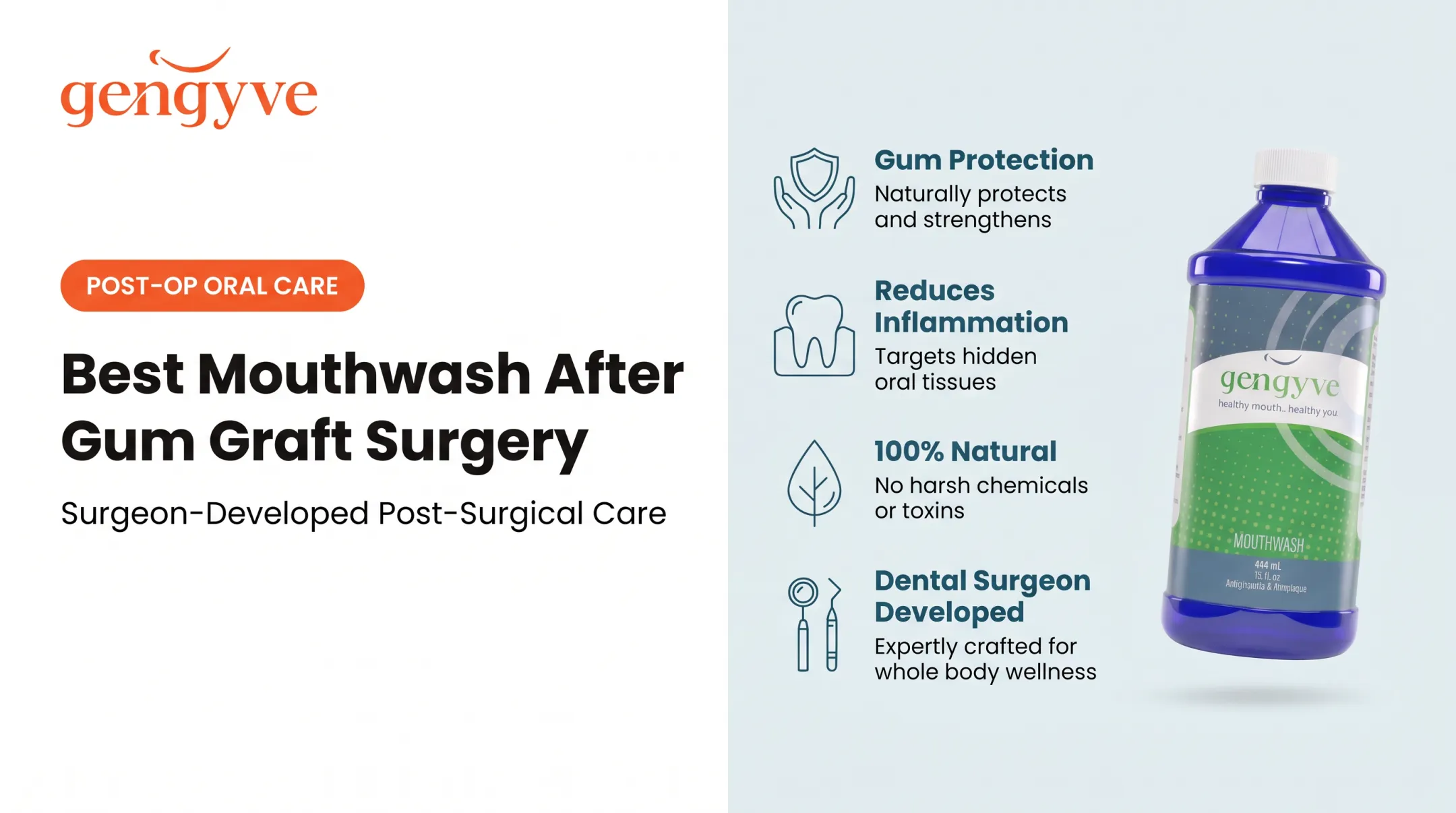
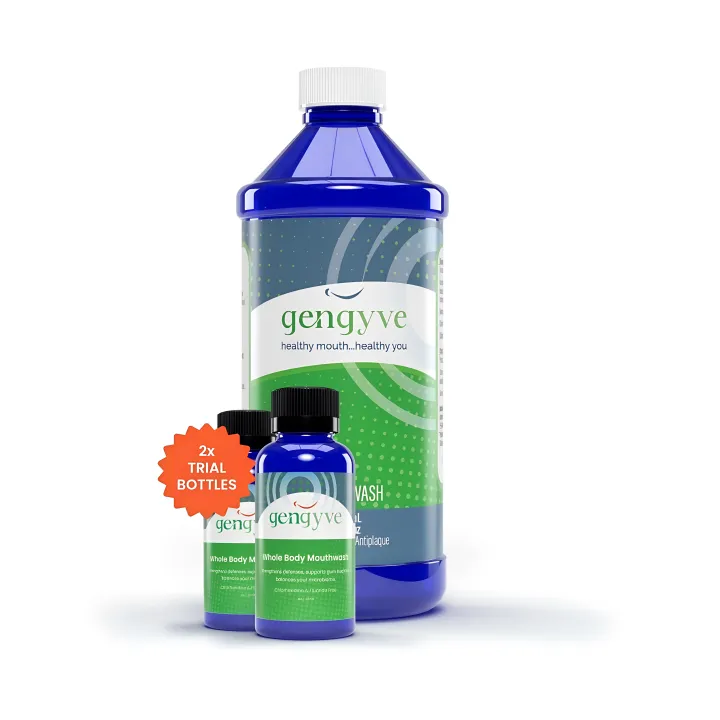
Gengyve USA makes a natural, alcohol-free, chlorhexidine-free mouthwash developed by dental surgeons for gentle everyday use. Ask your dentist whether and when rinsing with it makes sense for you. It does not replace a professional crown assessment or prescribed treatment.
When Gum Inflammation Needs a Dentist
Call your dentist if
- Inflammation lasts past the expected healing period
- It keeps returning in the same spot
- It continues despite careful cleaning
- Food gets trapped, an edge feels rough, your bite feels off, or the crown feels loose
- Swelling lingers beyond two weeks
Signs of infection or a deeper problem
- Worsening or throbbing pain
- Significant swelling
- Pus or a pimple-like bump on the gum
- Foul taste or odor
- Fever
- Pain that interrupts sleep
- Growing sensitivity to hot and cold
Urgent and emergency care
Difficulty swallowing or breathing, rapidly spreading facial or mouth swelling, uncontrolled bleeding, or severe systemic symptoms need emergency care. The Mayo Clinic advises going to the emergency room for fever with facial swelling if you can't reach your dentist.

Pain two years later
Pain that long after crown placement isn't normal healing. Possible causes include:
- Recurrent decay
- Gum recession
- A failing seal or crack
- Bite changes or bruxism
- Periodontal disease or infection
What an evaluation includes
Your dentist may:
- Inspect the area and measure gum pockets
- Check for trapped cement or food
- Assess the crown margin and contact
- Test your bite
- Evaluate the underlying tooth
- Take X-rays when clinically indicated
Possible treatments
Outcomes vary by diagnosis. Depending on the findings, treatment may include:
- Professional cleaning or cement removal
- Bite adjustment
- Crown repair or replacement
- Gum treatment
- Care for decay or infection
- Referral to an endodontist or periodontist
Frequently Asked Questions
How long does gum inflammation last after crowning?
Mild gum tenderness usually settles within a few days. See a dentist if symptoms persist, worsen, or come with swelling, pus, severe pain, or a loose crown.
Can a crown irritate your gums?
Yes, temporarily. Ongoing inflammation usually traces to plaque, trapped food, excess cement, a difficult margin, or poor contour, and needs evaluation.
Why does my crown still hurt 2 years after I got it?
Late pain may come from decay, gum recession, bite changes, a crack, bruxism, cement failure, or infection. A dentist should examine it.
What symptoms after a crown require urgent dental care?
Severe or worsening pain, facial swelling, fever, pus, or a loose crown warrant a prompt visit. Trouble swallowing or breathing means emergency care.
How should I clean around an inflamed crown?
Brush gently and clean between teeth with light pressure. If cleaning repeatedly causes bleeding or pain, ask your dentist for guidance.