In most cases, though, what's happening is irritation, sensitivity, or a known side effect rather than a true allergic reaction. This article breaks down the difference, walks through ingredients and situations that commonly cause reactions, and outlines what to do next.
A quick but important note: nothing here replaces a professional diagnosis. If you develop facial or tongue swelling, trouble breathing, or difficulty swallowing after using mouthwash, treat it as a medical emergency and seek care immediately.
Key Takeaways
- True mouthwash allergies happen, but irritation, dryness, or sensitivity are far more common explanations
- Stop using any suspected product right away and contact a dentist or clinician if symptoms persist or worsen
- Mouthwash should support your daily brushing and flossing routine, not replace it
- Anyone with known allergies, dry mouth, recent oral surgery, or ongoing medical treatment should review ingredients with a professional first
Is It an Allergy or a Mouthwash Side Effect?
A true allergy involves your immune system mistakenly identifying an ingredient as a threat. It then launches a defensive response, which can range from mild itching to severe swelling.


Irritation is different. It's a direct chemical or physical effect on oral tissue, not an immune reaction, and it's what causes most of the dryness, burning, and stinging people associate with mouthwash.
Here's the catch: symptoms alone don't tell you which one is happening. Timing, how often you've used the product, the exact ingredients, your medical history, and a clinical exam all factor into a real diagnosis.
A reaction that hits within minutes of rinsing might point toward allergy. Gradual dryness, persistent burning, or peeling tissue that builds over days or weeks often points to irritation from the formulation itself, or simply from overuse. New reactions can also show up when you:

- Switch to a newly introduced product
- Use a reformulated version of something you've tolerated for years
- Encounter an ingredient your body has slowly become sensitized to over time
| Possible explanation | What it typically looks like |
|---|---|
| Allergic reaction | Itching, hives, swelling that may spread beyond the mouth |
| Chemical irritation | Localized burning, redness, or peeling at the contact site |
| Alcohol-related discomfort | Stinging sensation, dryness, worse with frequent use |
| Medication-related dry mouth | Gradual dryness, unrelated to any single rinse |
| Unrelated oral condition | Sores or white patches that don't track with mouthwash timing |
Before any appointment, jot down:
- Product name and full ingredient list
- Date you first used it, how much, and how often
- Your symptoms and when they started
- Anything else new in your diet or routine
That record is often what allows a clinician to pinpoint the cause instead of guessing.
Common Symptoms, Ingredients, and Other Causes
Reactions to mouthwash show up in a few recognizable patterns:
- Swelling or itching of the lips, tongue, gums, or throat
- Burning or stinging during or after rinsing
- Redness of oral tissue
- Sores or peeling tissue
- Rash around the mouth
- Dryness that persists between uses
- Taste changes, including a lingering metallic or bitter sensation
- White patches or soreness
Which ingredients are usually involved?
Ingredients most often flagged in contact reactions include:
- Alcohol
- Strong flavoring agents and essential oils
- Chlorhexidine
- Preservatives and dyes
No single ingredient is universally harmful. Reactions depend on individual sensitivity, concentration, and exposure, not just whether a compound appears on the label.
Chlorhexidine needs special attention. It appears in prescription and professional-strength rinses, and its labeling specifically warns about serious allergic reactions, including rash, swelling, breathing difficulty, and rapid heart rate, according to chlorhexidine's FDA labeling.
If you've been prescribed chlorhexidine, follow the instructions exactly. Report anything concerning to your dentist or physician rather than waiting it out.
Could it be dryness, not the mouthwash at all?
Antihistamines, decongestants, and cancer treatments are well-documented causes of dry mouth. That dryness can make any rinse feel harsher than it should, without the mouthwash being the actual culprit. Dry mouth also raises the risk of oral infection generally, since saliva plays a role in keeping harmful organisms in check.
This matters for thrush specifically. Persistent white patches, soreness, or cracking at the corners of the mouth shouldn't be automatically blamed on mouthwash. Several conditions produce similar-looking symptoms, and only a professional exam can tell them apart.
What to Do After a Suspected Mouthwash Reaction
If you suspect your mouthwash caused a reaction, here's the sequence to follow:
- Stop using the product immediately. Don't test it again to "confirm" the reaction.
- Rinse gently with plain water if that feels comfortable.
- Keep the bottle and ingredient list. Your dentist or clinician will need it.
- Monitor symptoms over the following hours and days.

When it's an emergency
Call 911 or go to the emergency room if you experience throat tightness, trouble breathing or swallowing, rapidly increasing facial or tongue swelling, widespread hives, or faintness. These are signs of a severe allergic reaction, and antihistamines alone are not a substitute for emergency treatment, according to Mayo Clinic's first-aid guidance.
When to call a professional, not an ambulance
Contact a dentist, physician, allergist, or pharmacist if you notice:
- Persistent burning that doesn't fade after stopping the product
- Swelling, sores, or peeling that doesn't improve
- Recurring symptoms with repeated or similar products
- Suspected thrush or symptoms that linger after discontinuation
Don't apply household substances, use leftover prescription medication, or start an antifungal or antimicrobial treatment on your own. These decisions need professional input.
In the meantime, brush carefully with a soft-bristled toothbrush, stay hydrated, and follow whatever guidance your clinician gives you. Hold off on picking a replacement rinse until you actually know what triggered the reaction.
If you're undergoing cancer treatment, recovering from oral surgery, managing dental implants, or using a prescribed mouthwash, contact your treating team before changing anything in your oral-care routine. Any rinse in the mix, including a pre- or post-procedure product such as Gengyve, should stay visible to the team managing your care.
How to Choose and Use a Gentler Mouthwash
Once you understand what triggered a reaction, or if you're simply trying to avoid one, label reading becomes your main tool. Check for:
- Alcohol content
- Chlorhexidine
- Strong flavoring compounds and essential oils
- Preservatives, dyes, and sweeteners
Words like "natural," "alcohol-free," or "gentle" on packaging aren't a guarantee against allergy. They describe one or two formulation choices, not the entire ingredient list. Read the full label, and when you're uncertain, ask a dental professional to look it over with you.
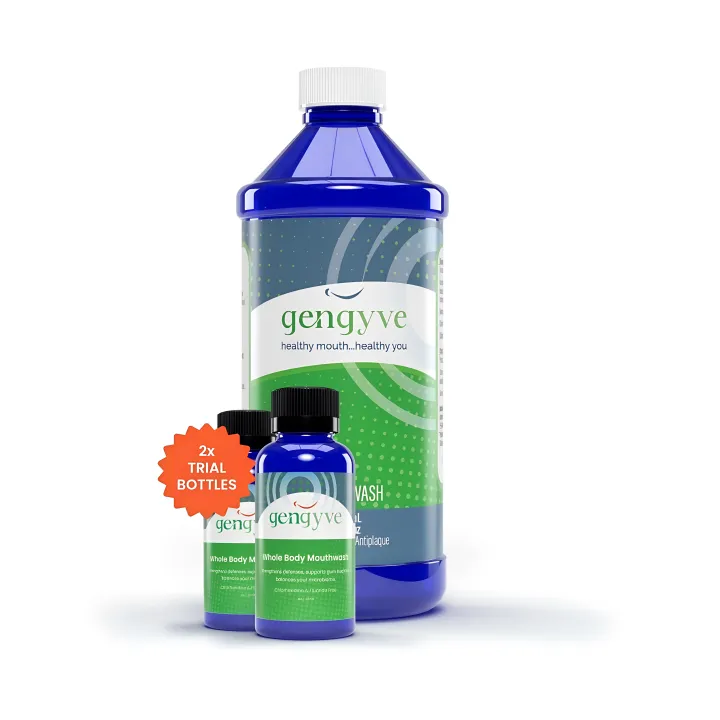
Gengyve is one example of a formula that avoids several of these common triggers. It was developed by a practicing oral and maxillofacial surgeon who wanted a rinse he could confidently recommend to his own patients. The formula skips alcohol and chlorhexidine, using cetylpyridinium chloride and hyaluronic acid instead.

That doesn't make it a fit for every allergy or sensitivity, and it isn't a treatment for an allergic reaction. It's simply one option worth reviewing against your own ingredient concerns, the same way you'd review any other product.
Whatever rinse you land on, a few habits reduce risk across the board:
- Follow the label's directions and warnings
- Don't swallow mouthwash
- Don't exceed the recommended frequency
- Avoid combining multiple active rinses without professional advice
- Stop immediately if new symptoms appear
Mouthwash is optional for a lot of people. It's a complement to twice-daily brushing, cleaning between teeth, staying hydrated, and keeping up with dental visits, not a substitute for any of them.
Frequently Asked Questions
What is the best mouthwash for people with allergies or oral sensitivities, including chlorhexidine allergy?
There's no universal answer. It depends on your confirmed triggers, symptoms, and oral-health needs. Review the full ingredient list with your dentist and avoid any product previously linked to a reaction.
Can a person be allergic to mouthwash?
Yes, true allergic reactions to mouthwash ingredients are possible, though irritation, dryness, and sensitivity are more common and can look similar. Stop using the suspected product and seek medical guidance if symptoms are concerning.
Can mouthwash cause oral thrush?
Persistent white patches or soreness shouldn't be assumed to be thrush or automatically blamed on mouthwash. Several oral conditions look alike, so professional evaluation matters, especially for anyone with weakened immunity or ongoing medical treatment.
What are the symptoms of a mouthwash allergy?
Possible symptoms include itching, swelling, hives, mouth sores, and redness. Throat tightness, trouble breathing, or difficulty swallowing are emergency signs that require immediate care, not a wait-and-see approach.
Should you stop using mouthwash if it burns?
Yes. Stop using any product causing new or significant burning, keep the label for reference, and contact a dental or medical professional if the symptoms persist, return, or get worse.