The best rinse depends on your main need: moisture and comfort, cavity protection, sensitivity, or some mix. No rinse replaces brushing, fluoride care, dental visits, or medical management of Sjögren's.
Key Takeaways
- Choose an alcohol-free rinse that feels gentle on sensitive tissue.
- Fluoride matters most if your cavity risk is high.
- Moisturizing rinses ease symptoms but don't protect enamel on their own.
- A "fresh" tingle can signal alcohol or astringents that worsen dryness.
- Sores, thrush, severe pain, or fast-developing cavities need a dentist or physician.
Overview of Sjögren's-Related Dry Mouth and Mouthwash
Sjögren's is a systemic autoimmune disease in which inflammation can damage the salivary glands, according to the Sjögren's Foundation. The Foundation estimates it affects as many as 4 million Americans.


Saliva protects the mouth in several ways:
- Moistens the mouth and food, and helps swallowing
- Clears food debris from teeth
- Neutralizes acids from food and bacteria
- Supplies calcium and phosphate that help keep enamel strong
Without enough saliva, the risks rise. Dry mouth raises the odds of decay and fungal infection, and it can impair chewing, swallowing, and talking.
MedlinePlus also lists gum inflammation, mouth sores, and decayed teeth among Sjögren's-related problems. Candidiasis (thrush) is a known complication.
Because of these risks, treat mouthwash as one part of a care plan. The ranking below compares each product on comfort, cavity protection, ingredients, intended use, and whether professional guidance is needed.
No research establishes one universal winner. A Cochrane review of 36 trials found no strong evidence for any topical dry-mouth therapy overall.

Best Mouthwash for Sjögren's Dry Mouth
We ranked each option on these criteria:
- Alcohol and astringent content
- Fluoride or other cavity protection
- Moisturizing ingredients
- Irritation potential
- Product purpose and current US labeling
- Whether a prescription is required
Ingredient presence is not proof of performance. Confirm details on your own bottle, since formulas change.
Gengyve CPC Mouthwash with Hyaluronic Acid
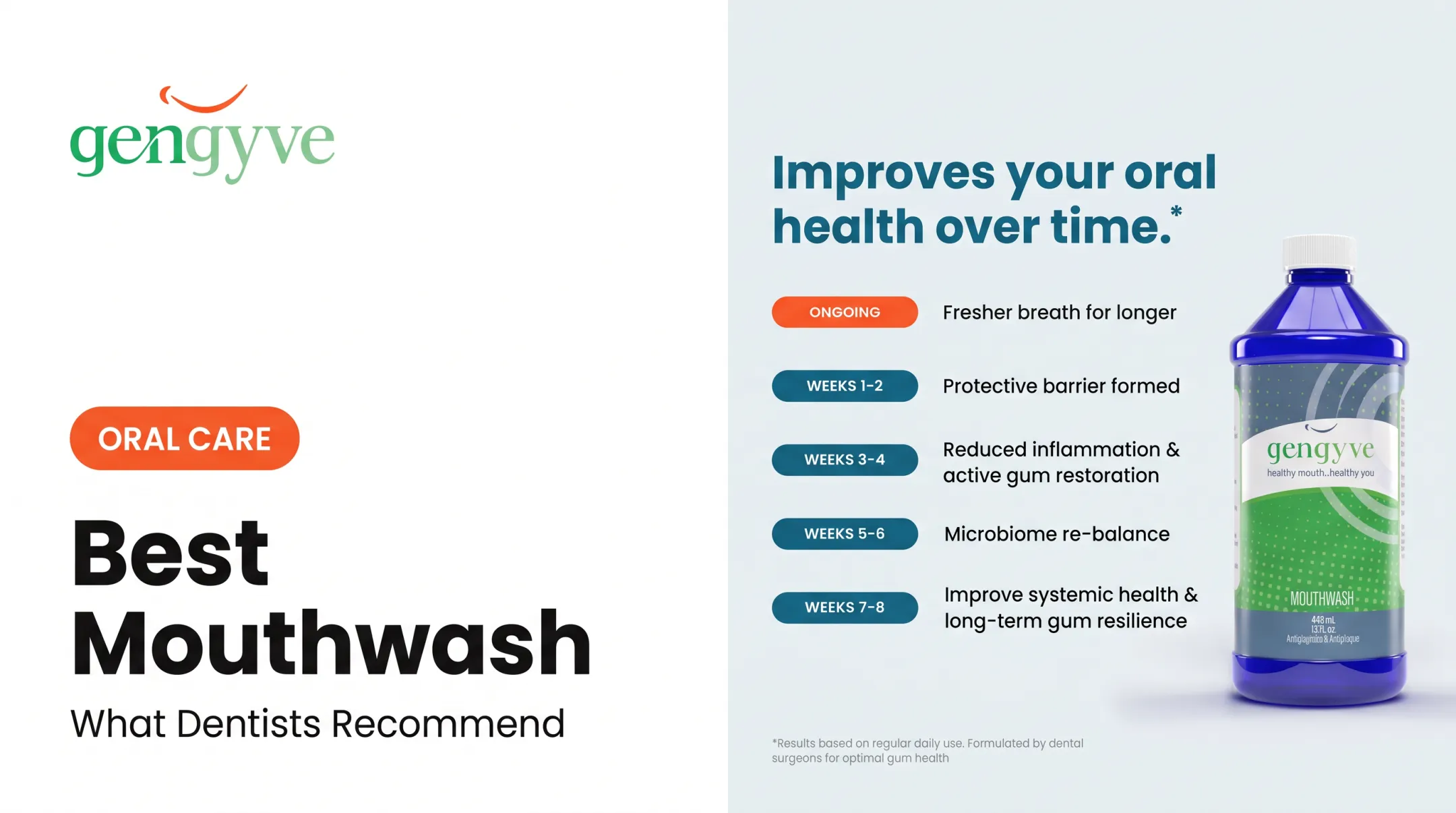
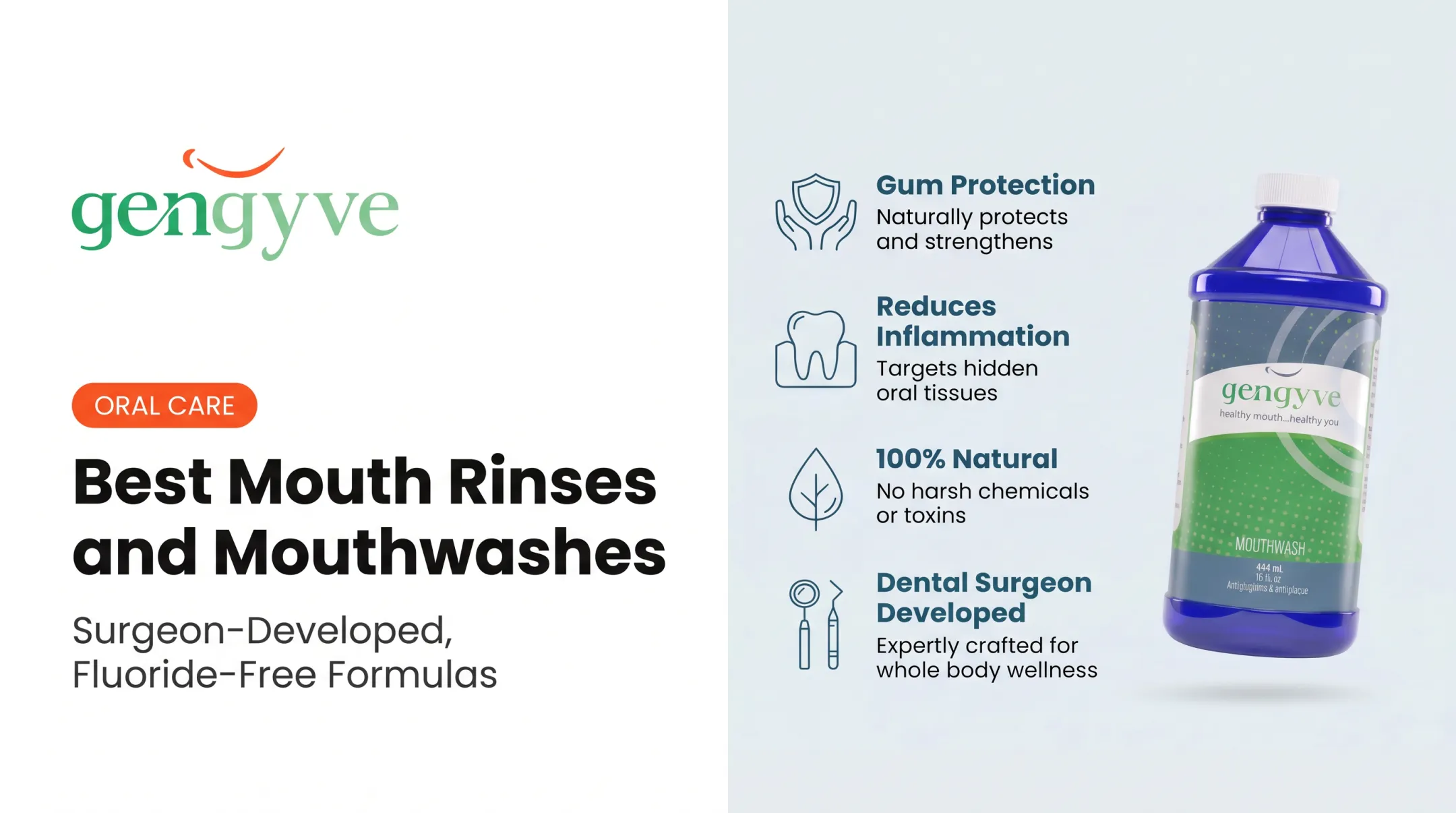
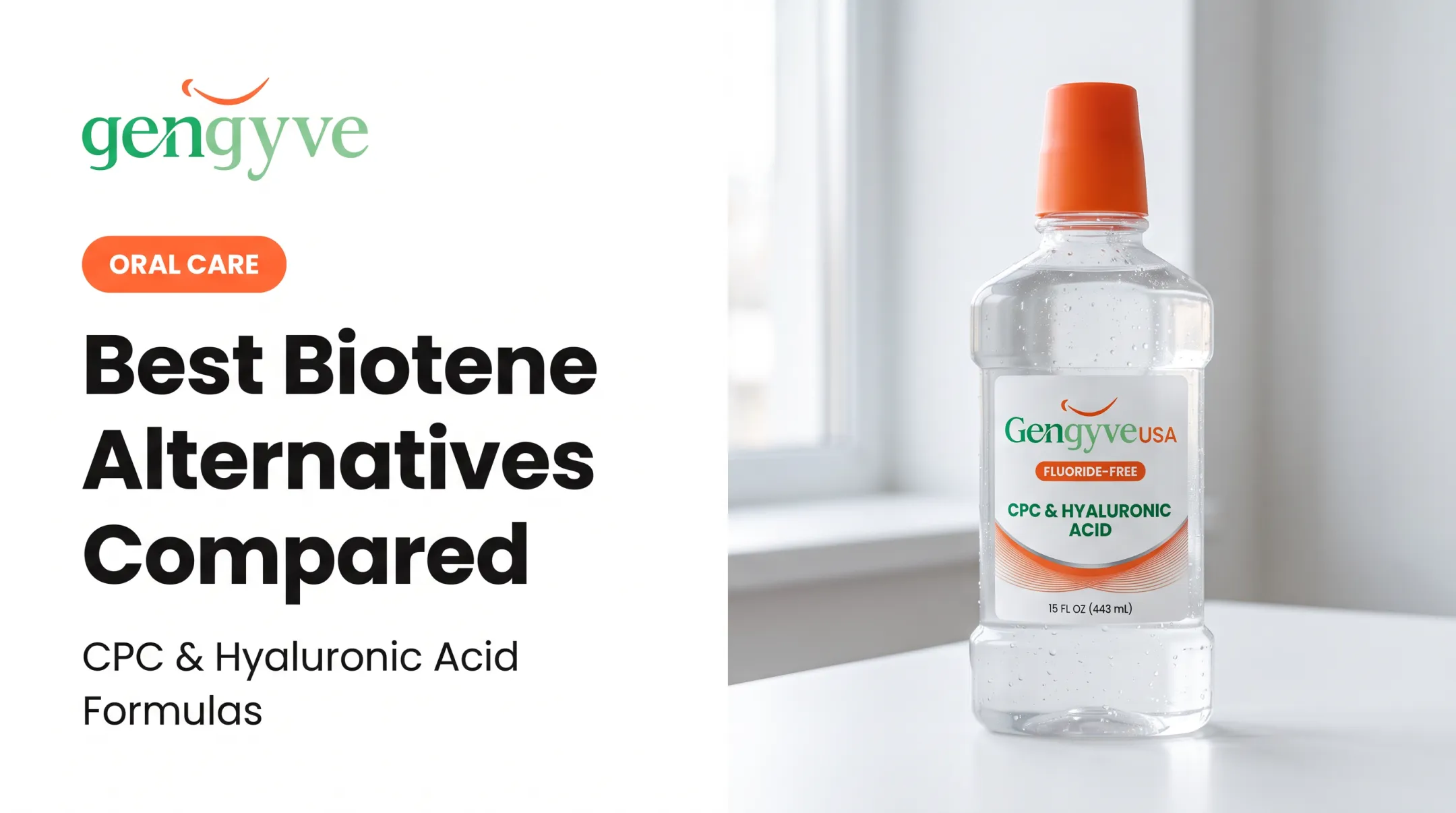
Gengyve USA's rinse was developed by practicing dental surgeons and is positioned as gentle daily gum care. It is alcohol-free and chlorhexidine-free, and it pairs cetylpyridinium chloride (CPC) with hyaluronic acid for hydration and gum comfort. The company also lists patients with xerostomia among people who may benefit.
It does not treat Sjögren's or its autoimmune cause.
- Key ingredients listed: CPC, hyaluronic acid, pullulan, polyvinylpyrrolidone (PVP), castor oil
- Not in the formula: alcohol, chlorhexidine, fluoride, artificial dyes
- Directions: brush and floss, then rinse 60 seconds morning and night
- Best fit: sensitive or sore gums where gentle daily comfort matters
- Limits: no direct fluoride cavity protection, and flavoring may vary. Follow the bottle label and ask your dentist whether it suits you.
Evidence is modest. One 21-day randomized trial of 75 dental students compared CPC–hyaluronic acid, chlorhexidine, and placebo rinses. That is a short study in young, healthy participants, not people with Sjögren's.
A separate 2023 crossover trial of a sodium-hyaluronate rinse found symptom improvement, but no significant difference from the active control.
ACT Total Care Dry Mouth Mouthwash
ACT's distinction is pairing dry-mouth comfort with fluoride. Its current label (updated January 2026) lists 0.02% sodium fluoride and claims to aid cavity prevention while soothing dry mouth and moisturizing tissue. No ethanol is listed.
- Moisturizing ingredients: glycerin, sorbitol, xylitol
- Also contains: CPC, flavors, and several botanical extracts
- Directions: 10 mL twice daily after brushing, swish 1 minute, spit, then no food or drink for 30 minutes
- Best fit: dry mouth plus a history of cavities or enamel concerns
- Limits: the flavor and botanicals may not suit every sensitive mouth, and lasting moisture is not well established
Biotene Dry Mouth Oral Rinse
Biotene is the widely available moisturizing option. It is alcohol-free and lists no fluoride. Its ingredients include glycerin, xylitol, sorbitol, and hydroxyethyl cellulose. The American Dental Association (ADA) accepts it for temporary dry-mouth relief only.
- Directions: about 15 mL, rinse 30 seconds, up to 5 times daily as needed
- Manufacturer claim: relief for up to 4 hours in a 28-day study
- Best fit: everyday dryness without a specific need for high-dose fluoride
- Limits: relief is temporary and not enamel protection, so high-risk users need separate fluoride
Spry Alcohol-Free Herbal Mint Oral Rinse
Spry leans on xylitol and plant extracts. Check the variant: the Herbal Mint is alcohol-free, but Spry's Natural Cool Mint is low-alcohol and contains grain alcohol.
- Ingredients: xylitol, erythritol, glycerin, aloe vera, and botanicals including chamomile, sage, and tea tree oil
- Fluoride: none listed
- Directions: half a capful for 60 seconds, morning and bedtime after brushing
- Best fit: people who want an alcohol-free, xylitol-focused rinse and tolerate the taste
- Limits: a Cochrane xylitol review found insufficient evidence that xylitol prevents cavities in adults; it does not replace fluoride, brushing, or cleaning between teeth.
Prescription Fluoride (Rinse or 1.1% Gel)
A dentist may prescribe stronger fluoride for significant or recurring cavity risk. The Sjögren's Foundation guideline gives topical fluoride a strong recommendation.
The ADA equates a 0.09% fluoride-ion rinse with 0.2% sodium fluoride. The 1.1% sodium fluoride products, such as PreviDent, are gels or pastes, not rinses. PreviDent's rinse is 0.2%.
- Directions (PreviDent gel example): after brushing, apply a thin ribbon once daily for at least a minute, ideally at bedtime, then no food, drink, or rinsing for 30 minutes
- Best fit: frequent new cavities or documented high caries risk
- Limits: it prevents decay but won't relieve dryness or burning, so pairing it with a gentle moisturizer may help. Use only as directed by your dentist.

How We Chose the Best Mouthwash for Sjögren's Dry Mouth
We reviewed current US labels, compared ingredients, and separated cosmetic freshness from therapeutic purpose. For each product we asked whether it addresses comfort, cavity prevention, or both.
Ingredient Evidence at a Glance
- Alcohol: the ADA notes it can be drying, and Mayo Clinic advises avoiding alcohol-containing rinses for dry mouth.
- Fluoride: strongest evidence for preventing decay in Sjögren's.
- Humectants and substitutes: temporary relief, not a cure.
- Hyaluronic acid: small, short trials; no proof of Sjögren's-specific superiority.
- CPC: reduces plaque and gingivitis alongside brushing and flossing, but can stain teeth brown. It doesn't restore saliva.
- Astringents and strong flavors: the Sjögren's Foundation says alcohol or witch hazel can aggravate dryness and burning. Iowa's protocol suggests avoiding cinnamon products.
Common Mistakes
- Using a conventional alcohol-containing rinse
- Overlooking fluoride when decay risk is high
- Assuming every moisturizing rinse protects enamel
- Picking a strong flavor that burns, then quitting the routine
Matching a Rinse to You
Match a rinse to your needs by weighing:
- Dry-mouth severity and remaining salivary function
- Cavity history and decay risk
- Sores, sensitivity, or flavor tolerance
- Medications that reduce saliva (hundreds do, so ask your clinician which apply)
Rinsing right after brushing can wash away fluoride from toothpaste, according to ADA News. Follow each label's sequencing.

Safety Note
Mouthwash does not treat Sjögren's. See a professional for:
- Sores or mouth pain lasting more than 2 weeks
- Burning that may be thrush (it can look red, not white)
- Difficulty swallowing
- Severe pain or rapidly worsening teeth
Conclusion
The right rinse matches your dominant need and avoids ingredients that sting. You may need separate products for moisture, fluoride, and daily cleaning.
If burning, sores, new cavities, or poor relief persist, reassess your routine and bring the label to your dentist or physician.
If gentle, alcohol-free comfort is your priority, review Gengyve's dental-surgeon-developed, chlorhexidine-free formula and discuss with your dentist whether it fits your routine.
Frequently Asked Questions
What is the best way to treat dry mouth caused by Sjögren's syndrome?
Combine an alcohol-free rinse, regular water sips, saliva substitutes or stimulants when suitable, fluoride, and a medication review. Mouthwash doesn't cure Sjögren's.
How to protect teeth from Sjögren's?
Use fluoride toothpaste or dentist-prescribed fluoride, brush well, and clean between teeth. Limit sugary and acidic drinks, keep regular dental visits, and add a suitable rinse.
Is alcohol-free mouthwash better for Sjögren's dry mouth?
Generally yes, since alcohol can dry and irritate tissue. Still read the full ingredient list, and let your own tolerance guide you.
Should Sjögren's patients use fluoride mouthwash?
Often, when cavity risk is high. Your dentist should set the concentration, frequency, and whether you need a prescription.
Can mouthwash cure Sjögren's dry mouth?
No. A rinse may improve comfort and support cavity and gum care, but it can't cure the disease or restore gland function.
How often should I use mouthwash for Sjögren's?
Follow the product label and your dentist's advice. Biotene allows up to five times daily, while ACT is twice daily. Rinsing right after fluoride toothpaste may reduce its benefit.