Introduction
If you've ever tried to run a pack of floss through your FSA card and watched it decline, you've already learned the short answer: standard dental floss is generally not eligible for FSA reimbursement when you're buying it for everyday hygiene.
That surprises people, especially since dentists tell patients to floss daily. But FSA eligibility doesn't hinge on whether something is good for you. It depends on whether the expense is used to prevent, diagnose, mitigate, or treat a specific illness or condition, not just support general health.
This article breaks down what actually qualifies: which oral-care products pass, which dental services count, when a water flosser might be reimbursable, and what documentation you'll need if your purchase is tied to a real medical condition. We'll also cover what to do if a claim gets denied.
Key Takeaways
- Standard floss, toothpaste, and manual toothbrushes are routine hygiene items and usually not FSA eligible
- Dental services that prevent or treat disease, such as cleanings or fillings, often qualify
- Water flossers and oral irrigators may qualify only with a Letter of Medical Necessity
- An FSA card accepting your purchase doesn't guarantee the claim survives review
- Always confirm the exact product with your plan administrator before you buy
Is Dental Floss FSA Eligible?
The direct answer: no, not for routine use. FSAFEDS, one of the largest federal flexible spending programs, lists "toothpaste, toothbrush, floss, etc." as a non-eligible expense in its published guidance on FSAFEDS' eligible-expense list. That's about as explicit as it gets.


The reasoning traces back to IRS Publication 502, which defines medical expenses as costs for diagnosing, curing, treating, or preventing disease, or for affecting a function of the body. Expenses that are merely beneficial to general health don't qualify.
Floss helps prevent cavities and gum disease in a broad sense, but so does brushing, eating well, and drinking water. None of that makes a toothbrush a medical device.

The key distinction:
- A dental professional's service, like a cleaning or periodontal treatment, is evaluated as care delivered to treat or prevent disease
- A consumer product you buy at home, like floss, is evaluated as a routine hygiene purchase regardless of what it does
A dentist telling you to floss more, even for gum health specifically, doesn't change that classification. It's still a recommendation for daily care, not a prescribed treatment for a diagnosed condition.
Dental Services That Often Do Qualify
Unlike floss, actual dental care tends to pass the test:
- Dental exams and cleanings
- Fillings and restorative work
- Periodontal treatment for diagnosed gum disease
- Copayments, coinsurance, and deductibles tied to eligible care
Confirm each of these against your specific plan. Categories can shift, and cosmetic add-ons during a visit (like whitening) typically don't ride along as eligible just because they happened at the dentist's office.
What Dental and Oral-Care Products May Be FSA Eligible?
A simple way to sort oral-care spending: ask whether you're buying something for routine use or something tied to a documented medical need. The first category is almost always ineligible. The second sometimes qualifies, with the right paperwork.
| Product | Typical FSA status | Why |
|---|---|---|
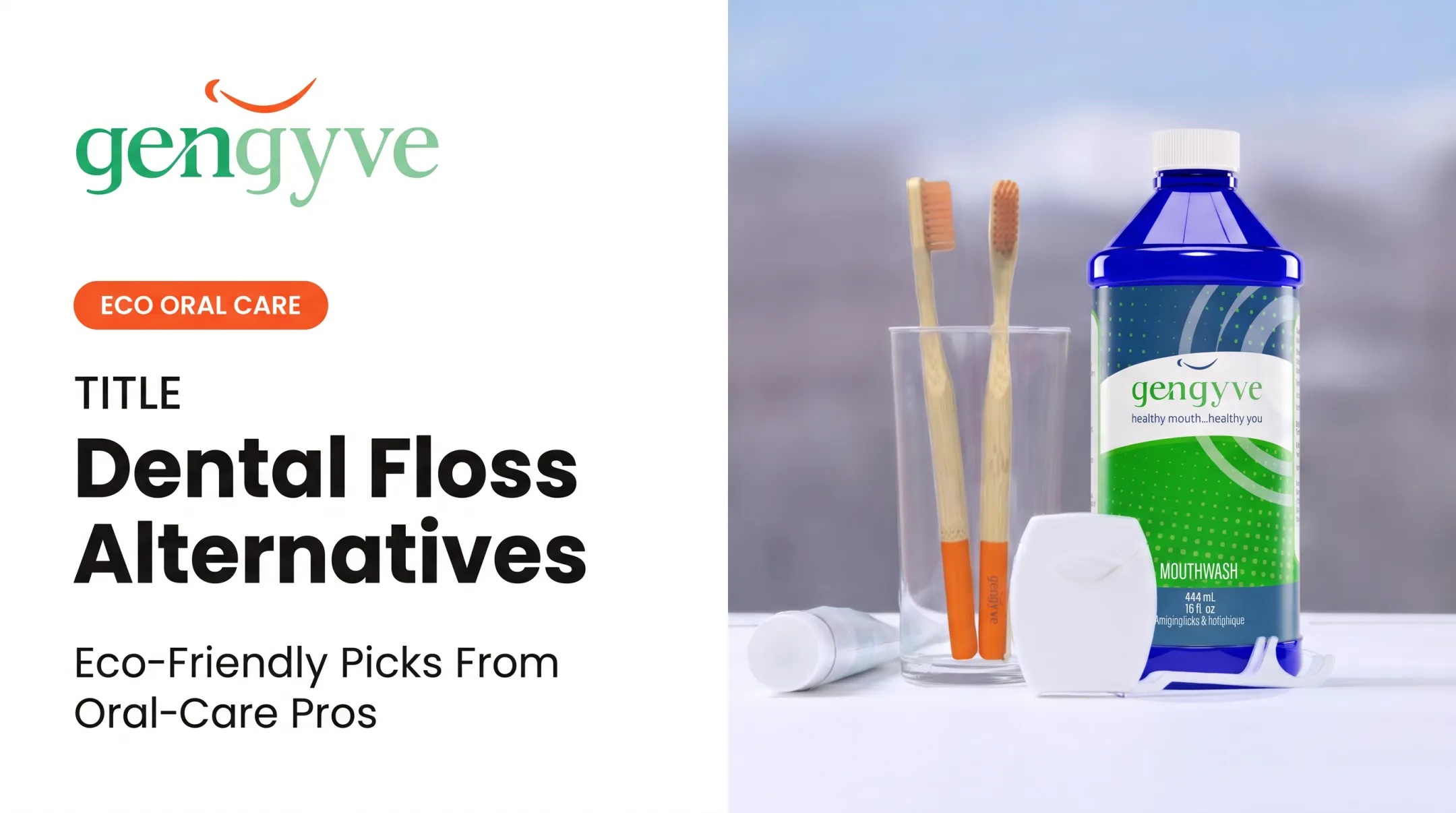
| Standard floss | Not eligible | Routine hygiene |
| Regular toothpaste | Not eligible | Routine hygiene |
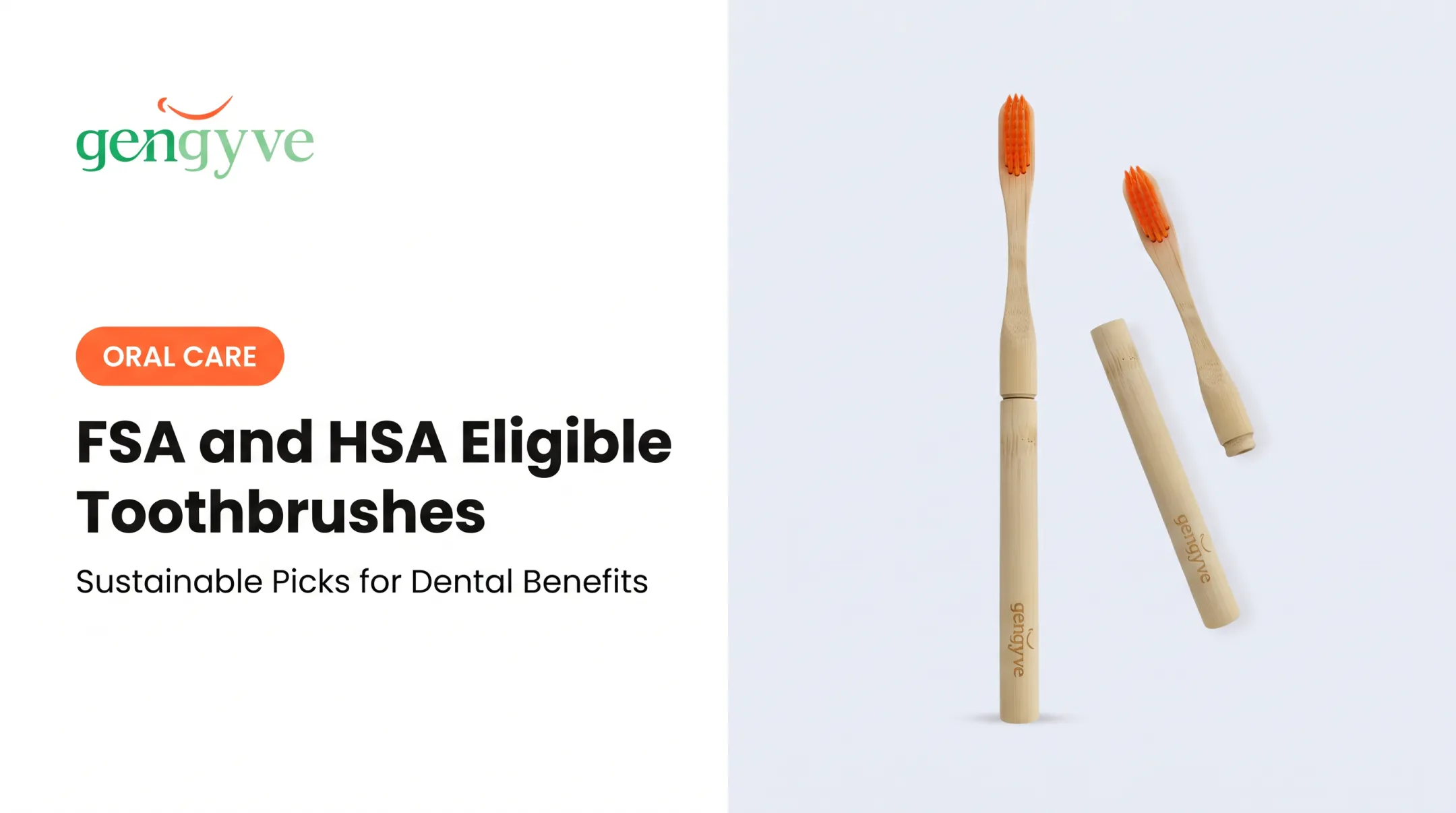
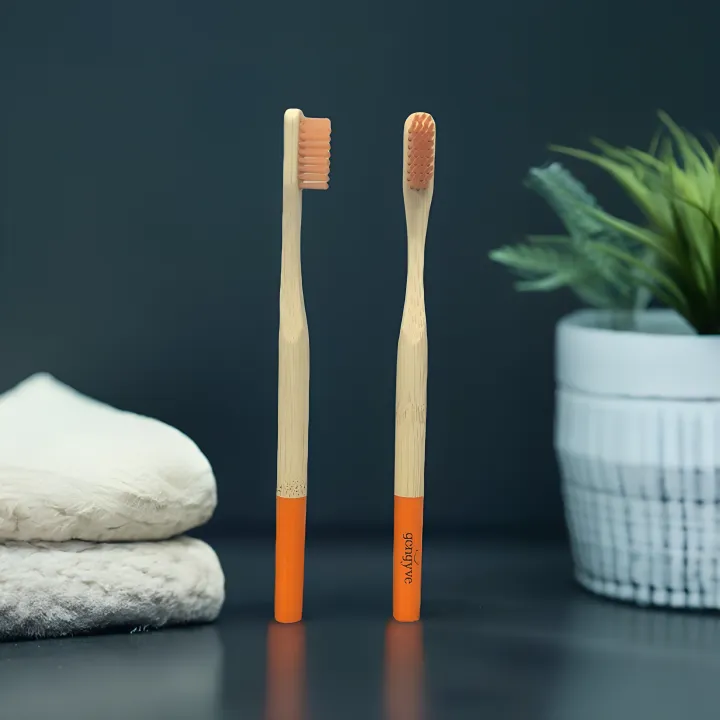
| Manual toothbrush | Not eligible | Routine hygiene |
| Electric toothbrush | Not eligible | General health product |
| Teeth whitening | Not eligible | Cosmetic |
| Medicated toothpaste | Potentially eligible | Requires LMN plus documented price difference |
| General mouthwash | Not eligible | Routine hygiene |
Medicated toothpaste is the main exception. If a dentist prescribes it for a specific condition, the cost difference above a regular tube may be reimbursable. You still need a signed Letter of Medical Necessity and a detailed receipt. That is a narrow exception, not a blanket rule for anything labeled "medicated."
Mouthwash Needs Extra Scrutiny
General-use mouthwash isn't automatically eligible just because it mentions gum health on the label. Guidance here isn't uniform. Some administrators flatly exclude mouthwash; others note a possible exception when a dentist prescribes it for a diagnosed condition. Eligibility usually hinges on three factors:
- The specific product
- The stated medical purpose
- Your plan administrator's rules
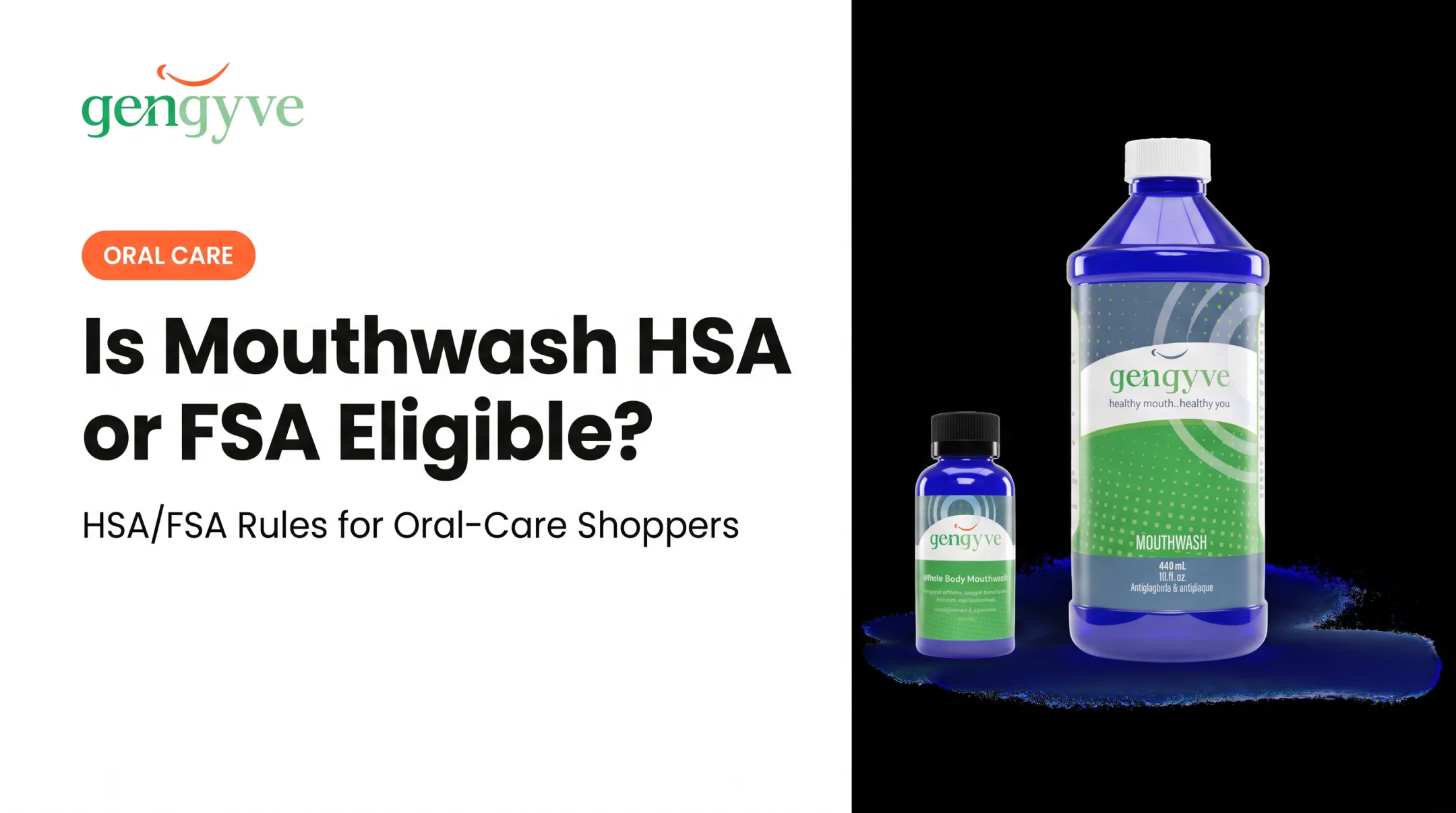
That same standard applies to Gengyve, a dental-surgeon-developed mouthwash with CPC and hyaluronic acid for everyday gum comfort. It is positioned for daily oral care, including pre- and post-procedure use, but that does not make it automatically FSA eligible.
Gengyve offers a documentation process for customers who have a qualifying condition and need a Letter of Medical Necessity. Reimbursement still depends on your plan administrator's final decision, not the product's marketing or category listing.
Can You Use FSA Funds for a Water Flosser or Other Oral Irrigator?
Water flossers sit in a gray zone that routine floss doesn't. A device like a Waterpik can receive different treatment than string floss, but only when it's tied to a diagnosed condition, not purchased for general preventive hygiene.
Lively's Waterpik guidance confirms the device is eligible only with a Letter of Medical Necessity. Your employer's specific plan terms still apply on top of that.
Other oral irrigator brands or models aren't automatically covered under the same listing. You'd need to check each one separately.
What the Documentation Process Looks Like
- Confirm eligibility first - contact your plan administrator before purchasing, not after
- Ask your dental provider what's needed - a periodontist or dentist typically needs to certify the specific condition being treated
- Get the Letter of Medical Necessity - this should name the condition, the recommended device, and the treatment duration
- Keep the itemized receipt - credit card statements alone won't satisfy most substantiation requirements
- Check for renewal requirements - some plans require a new LMN annually if treatment continues

A few things that won't guarantee reimbursement on their own:
- The device processing successfully on your FSA card
- A retailer flagging it as "FSA eligible" at checkout
- A general comment from your dentist that flossing would help your gums
None of those replace actual documentation tied to a diagnosed condition. If you're buying a water flosser purely for preventive maintenance, without a specific diagnosis behind it, treat it the same way you'd treat a regular toothbrush: a personal expense, not a medical one.
How to Verify an Oral-Care Product Before Using Your FSA
Before you spend FSA dollars on anything beyond a dental cleaning, run through a quick checklist.
Pre-purchase checklist:
- Identify the exact product and SKU, not just the general category (a $6.97 silk floss still counts as routine floss, even if marketed for gum care)
- Check your plan's current eligible-expense list
- Determine whether the purchase is routine hygiene or tied to documented medical care
- Call your plan administrator if the classification is unclear
Records to keep:
- Itemized receipt with product description, date, and amount
- Any provider documentation
- Letter of Medical Necessity, if required
FSA card acceptance and a retailer's "FSA eligible" filter are helpful signals, but they aren't final proof. Transactions can still require substantiation after the fact, and an unsupported claim can be reversed.
On a combined receipt with multiple items, separate eligible dental services from ineligible products rather than lumping everything under "oral care."

If Your Claim Gets Denied
- Review the denial reason carefully
- Confirm you've identified the exact item in question
- Ask the administrator exactly what evidence would change the outcome
- Follow your plan's reconsideration or appeal process within its stated deadline
- Don't resubmit a routine hygiene product as "medically necessary" without real supporting documentation
Rules and administrator procedures change from year to year, so verify current guidance before you buy rather than assuming last year's answer still applies.
Frequently Asked Questions
Is dental floss covered by FSA?
Generally, no. Standard dental floss is classified as a routine hygiene product and is usually not reimbursable. Confirm with your plan administrator if you believe your situation differs.
What dental and oral care products are eligible for FSA?
Dental services like cleanings, fillings, and periodontal treatment are often eligible, along with related copays and deductibles. Ordinary floss, toothpaste, and toothbrushes typically are not.
Can I use my FSA to buy a Waterpik or other oral irrigator?
Possibly, but only with a Letter of Medical Necessity tied to a diagnosed condition. Check your specific plan rules before purchasing, since coverage isn't automatic.
What surprising items are eligible for FSA?
Some lesser-known eligible items include denture adhesive, denture cleaner, and teeth-grinding prevention devices with a detailed receipt. Always verify each item against current guidance rather than relying on general lists.
Is mouthwash FSA eligible?
General-use mouthwash is not automatically eligible. The specific product, its stated medical purpose, supporting documentation, and your plan's rules all determine whether reimbursement is possible.
What should I do if my FSA claim for an oral-care product is denied?
Review the denial reason, keep your itemized receipt, and ask your administrator exactly what documentation is required. Then follow your plan's reconsideration or appeal process.